Israel marks recovery of last hostage’s remains as ceasefire phase turns to harder questions
Israel said it recovered the remains of Ran Gvili, described as the final hostage held in Gaza, an emotionally symbolic moment that also highlights unresolved disputes over Gaza’s future and the ceasefire’s next steps.
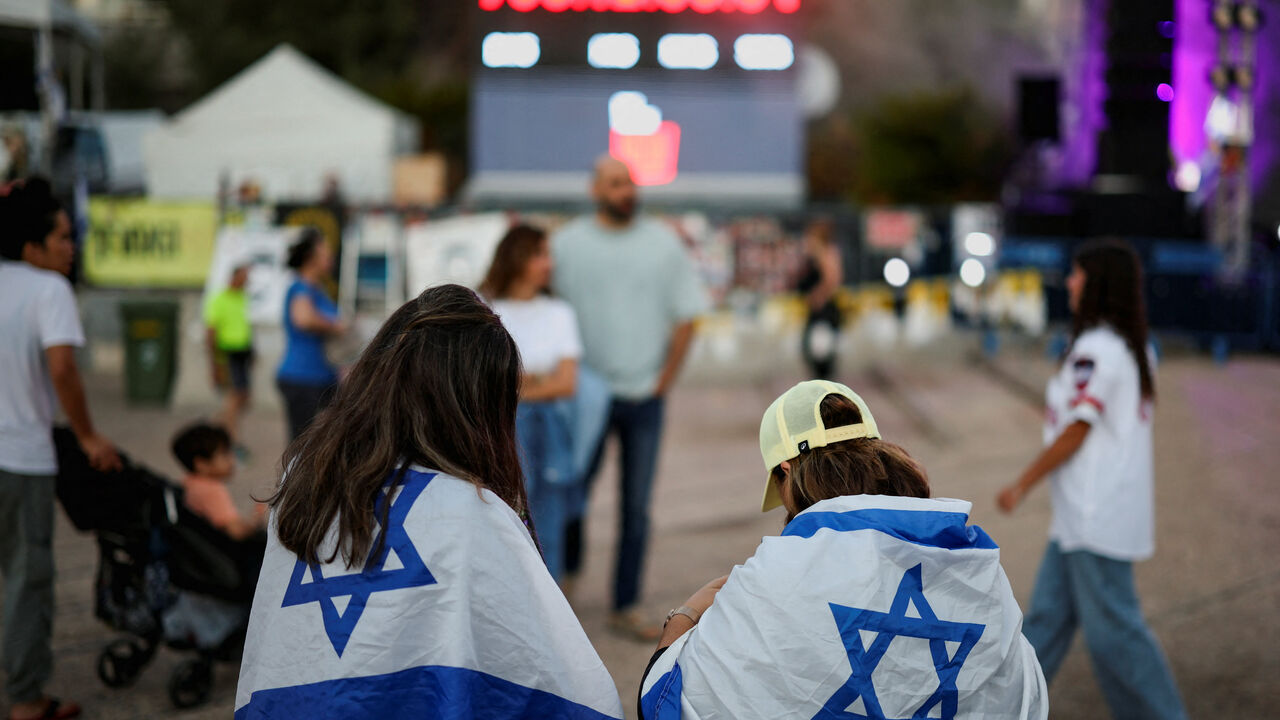
Israel marked the return of the remains of Ran Gvili, a 24-year-old police officer killed during the Oct. 7, 2023, Hamas-led attack and later held in Gaza. Israeli authorities said the recovery closed what many Israelis viewed as a defining chapter of national grief, even as the country confronts a more uncertain next phase of the war’s aftermath and a fragile ceasefire arrangement.
A symbolic milestone after years of conflict
The announcement reverberated in public spaces such as Tel Aviv’s Hostages Square, where supporters have maintained vigils and tracked the passage of time since the attack. The return of the last hostage’s remains carried a sense of closure for families and communities that had rallied around demands to bring everyone home—alive or dead—while underscoring the trauma of a conflict that continues to reshape Israeli and Palestinian life.
According to Israeli officials, the recovery effort involved intelligence work and forensic identification. The return of Gvili’s remains was presented as a step required under a U.S.-brokered ceasefire framework that has also involved exchanges between Hamas and Israel.
Next phase: governance, reconstruction, and security
Even as the milestone was recognized as nationally significant, major issues remain unresolved. Questions over Gaza’s reconstruction, border access, humanitarian relief, and postwar governance remain contentious, while Israel continues to emphasize long-term security control and the dismantling of Hamas’s capabilities. Palestinians, meanwhile, face the ongoing consequences of widespread displacement and damaged infrastructure, with international actors debating how future aid and governance should work in practice.
The recovery, therefore, is both an endpoint and a turning point: a moment of collective remembrance that also intensifies pressure on leaders to define what comes next, and whether current ceasefire mechanisms can hold long enough to address the war’s political and humanitarian aftermath.