Iran appears to ease internet blackout as costs mount, experts say access remains unstable
Iranian authorities appear to have partially relaxed their sweeping internet restrictions, but analysts say connectivity is uneven and still heavily controlled, suggesting continued throttling and filtering as the economic toll of the shutdown grows.
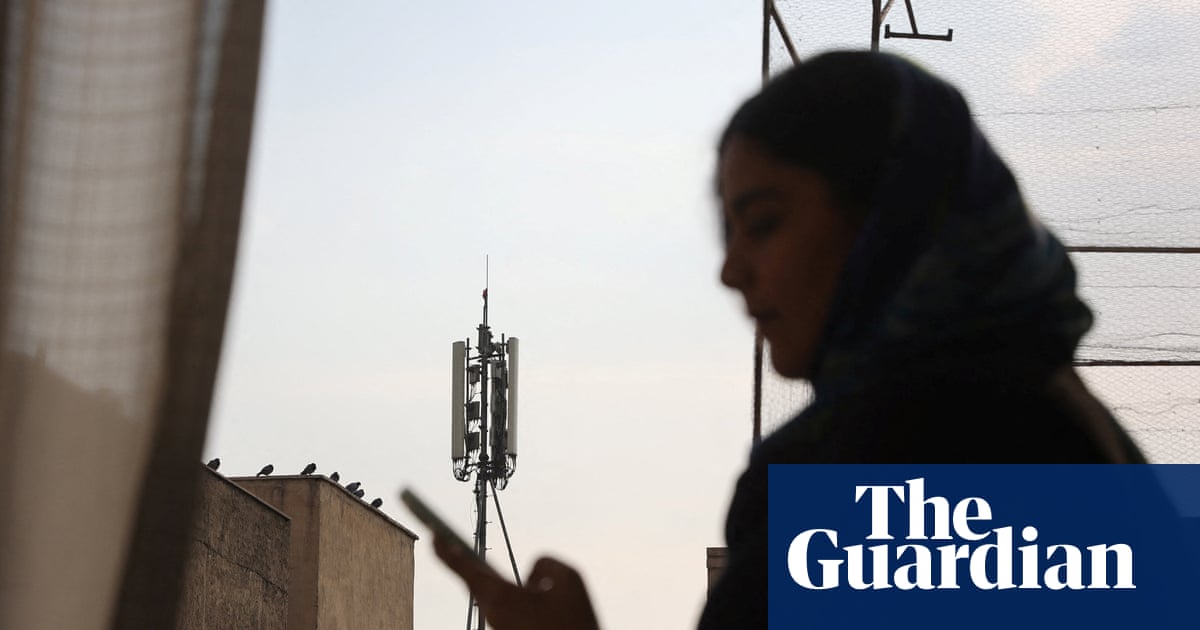
Iran’s government appears to have eased, but not ended, a severe internet blackout that began on January 8, 2026, during intensifying anti-government protests. Internet analysts and monitoring groups say traffic levels have recovered in a patchwork pattern, with intermittent spikes and drop-offs that point to deliberate throttling rather than a clean restoration of service.
According to experts tracking global network flows, some previously unreachable services and channels have begun to reappear for certain users, while others remain unstable or inaccessible depending on location. The emerging pattern suggests authorities are experimenting with controls and selectively allowing limited functionality, rather than reopening the internet broadly.
The blackout has been a major feature of the crisis because it constrains communication inside the country and restricts what can be verified from outside. Rights groups have argued that shutdowns can conceal abuses by limiting real-time reporting, and protesters have reported difficulty sharing videos, organizing gatherings, or even contacting family members in affected areas.
At the same time, the shutdown is widely viewed as economically damaging. Businesses reliant on connectivity—from basic logistics to digital payments and online commerce—have faced disruptions, and officials have acknowledged the losses are significant. Analysts say this pressure may be one reason the government has shifted toward more selective filtering and tiered access.
Even with partial restoration, specialists describe the service as degraded, inconsistent and heavily monitored. The immediate outlook remains uncertain: observers say authorities may continue calibrating restrictions day by day, trying to balance political control with the costs of keeping large parts of the economy offline.