Threat of US-Iran war escalates as Trump warns time running out for deal
President Donald Trump warned that time is running out for Iran to negotiate and said a major US naval force is moving toward the region. The remarks sharpened fears of imminent military action and signaled a shift toward framing the standoff around Iran’s nuclear program.
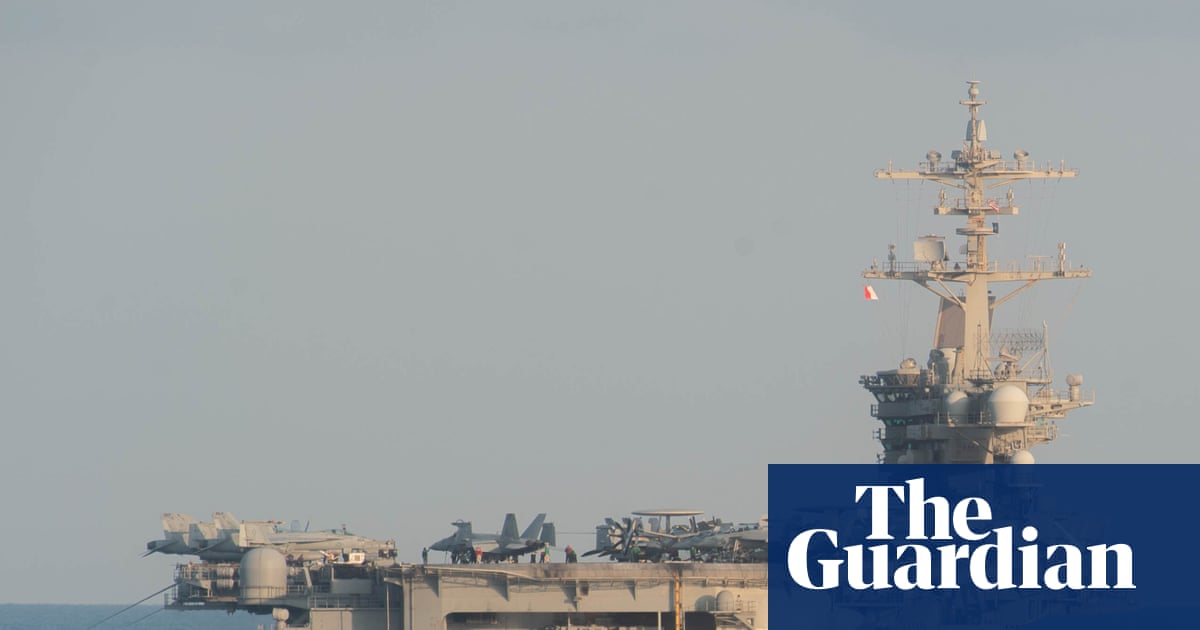
Tensions between the United States and Iran escalated Wednesday after President Donald Trump said Tehran had little time left to negotiate and claimed a large US naval force was moving toward Iran “with great power.” In a social media post, Trump said the fleet—led by the aircraft carrier USS Abraham Lincoln—was prepared to carry out its missions “with speed and violence if necessary,” raising concerns that the situation could move quickly toward direct conflict.
Trump urged Iran to “come to the table” and accept an agreement that would prevent it from obtaining nuclear weapons. His message was widely read as the clearest signal yet that the White House is prepared to authorize some form of military strike if Iran refuses negotiations over its nuclear program. The language also suggested a sharper and more immediate posture than earlier statements that emphasized protest-related unrest inside Iran.
Observers noted that the White House’s public rationale has shifted. Earlier in the month, Trump encouraged Iranians to keep protesting and indicated that “help” was coming, but he later appeared to back away, saying the killing had stopped. Now, the pressure is explicitly framed around Iran’s nuclear program, with Trump warning that failure to make a deal could lead to a far worse attack than in past operations.
The new posture comes amid speculation that earlier restraint may have been influenced by several factors, including the need to position enough military assets in the area and concerns from regional partners about escalation. Reports also suggested that Israel and Gulf states had urged caution and additional preparation time in case Iran responded with reprisals.
US Secretary of State Marco Rubio, testifying before the Senate, described the Iranian government as potentially weakened compared to previous decades and cited high casualty figures tied to recent unrest. Activists have alleged that the death toll has been extremely high, adding to the sense that Iran is under internal as well as external strain.
Iran, meanwhile, faces a narrowing set of options: negotiate under pressure, attempt to rally allies, or prepare militarily for potential US strikes. Any move by either side—whether a new round of talks, military deployments, or retaliatory actions—could rapidly change the trajectory of the standoff.
With rhetoric hardening and major naval assets reportedly moving into position, the risk of miscalculation is rising. Diplomats and analysts will be watching for signs of backchannel communication or de-escalation measures, but Trump’s message suggested the administration believes time is short and the next decision points could come soon.