U.S. envoys press Israel to move into Gaza ceasefire’s second phase, with Rafah crossing a key test
Senior U.S. envoys met Prime Minister Benjamin Netanyahu urging steps toward the next phase of a Gaza ceasefire. Negotiations center on the return of a hostage’s remains, the potential reopening of the Rafah crossing, and questions over monitoring and Israeli troop pullbacks.
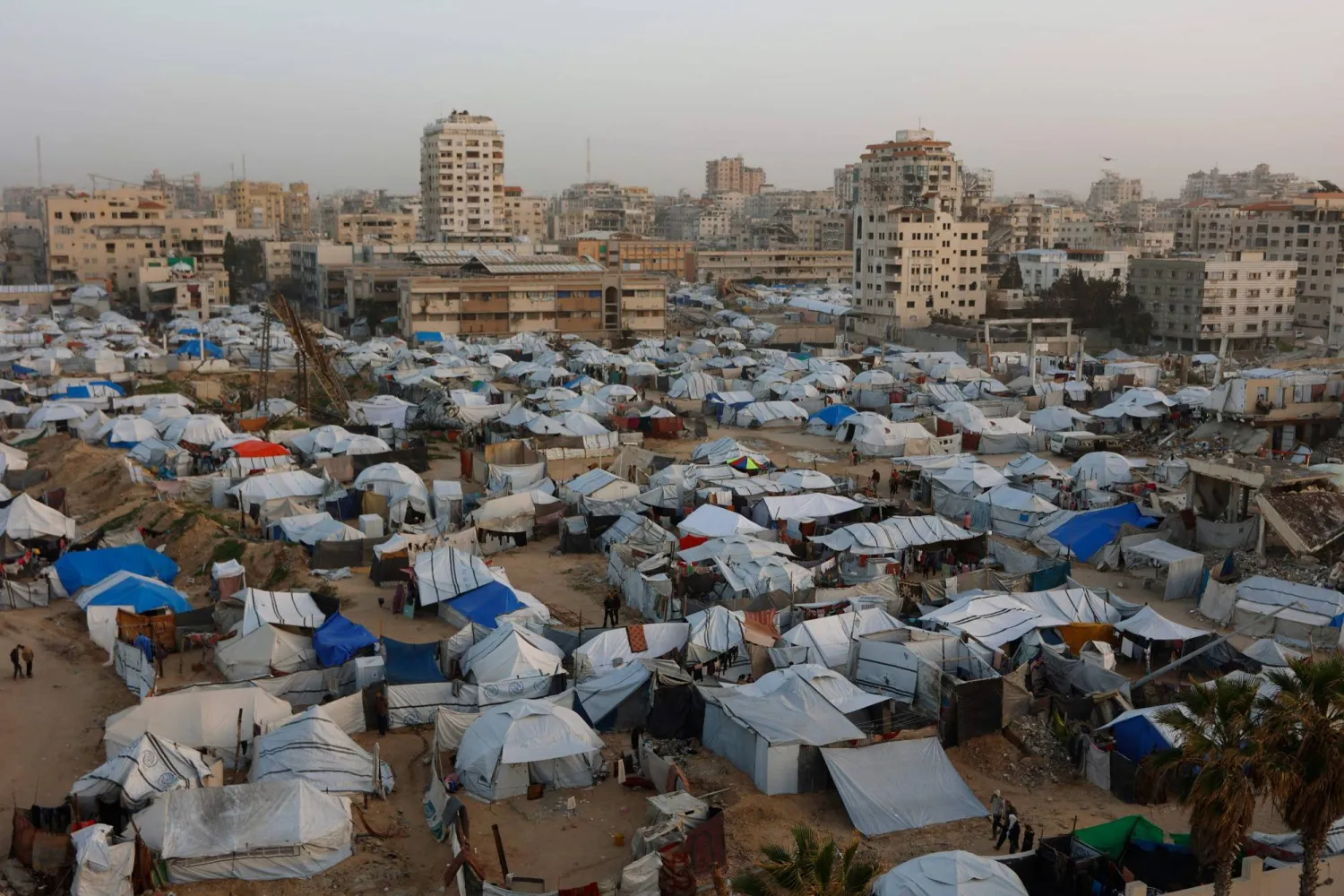
Pressure to keep the ceasefire moving
Top U.S. envoys met with Israeli Prime Minister Benjamin Netanyahu in a renewed push to move the Gaza ceasefire into its second phase. Israeli officials acknowledged the meeting but offered limited details, while a U.S. official said the discussions focused on next steps tied to demilitarization and the return of the remains of a final Israeli hostage still held in Gaza.
The second phase is politically fraught for Netanyahu, who faces competing pressures at home. U.S. officials are seeking momentum to prevent the agreement from stalling, while Hamas has sought to frame delays as Israeli obstruction. The ceasefire began on October 10, and both sides have traded accusations over compliance since then.
Rafah crossing and international monitoring
The Rafah border crossing between Gaza and Egypt is emerging as a central marker of whether the agreement advances. A Gaza official tied to a planned technocratic administration said the crossing would reopen soon, but Israel has not confirmed timing and said it would consider the issue in a cabinet meeting. Egypt has publicly pushed for reopening in both directions, linking it to humanitarian movement, medical evacuations and broader stabilization.
Diplomatic discussions have also included possible deployment of an international monitoring force and the question of Israeli troop withdrawals from parts of Gaza. Regional and international actors see these mechanics as essential to prevent a collapse of the ceasefire and to create space for reconstruction planning, though the details remain contested.
Violence continues despite the truce
Even as negotiations continue, deadly incidents have persisted. An Israeli strike killed two Palestinian teenagers in Gaza, according to local health authorities, while Israel’s military said it targeted militants who crossed a restricted line and threatened troops. The dispute underscores how quickly tensions can spike, especially around zones designated as “safe” or restricted.
The next phase hinges on hard logistics—borders, monitoring and withdrawals—as much as it does on political will.
With mediators still trying to bridge gaps on sequencing and verification, the coming week’s decisions—especially on Rafah—may signal whether the ceasefire deepens or reverts to a fragile pause.