Russia hits Kyiv and Kharkiv as U.S.-led peace talks continue
Ukraine reports deadly drone-and-missile strikes on major cities even as negotiators continue U.S.-led tripartite talks, highlighting the tension between diplomacy and battlefield escalation.
Strikes coincide with ongoing negotiations
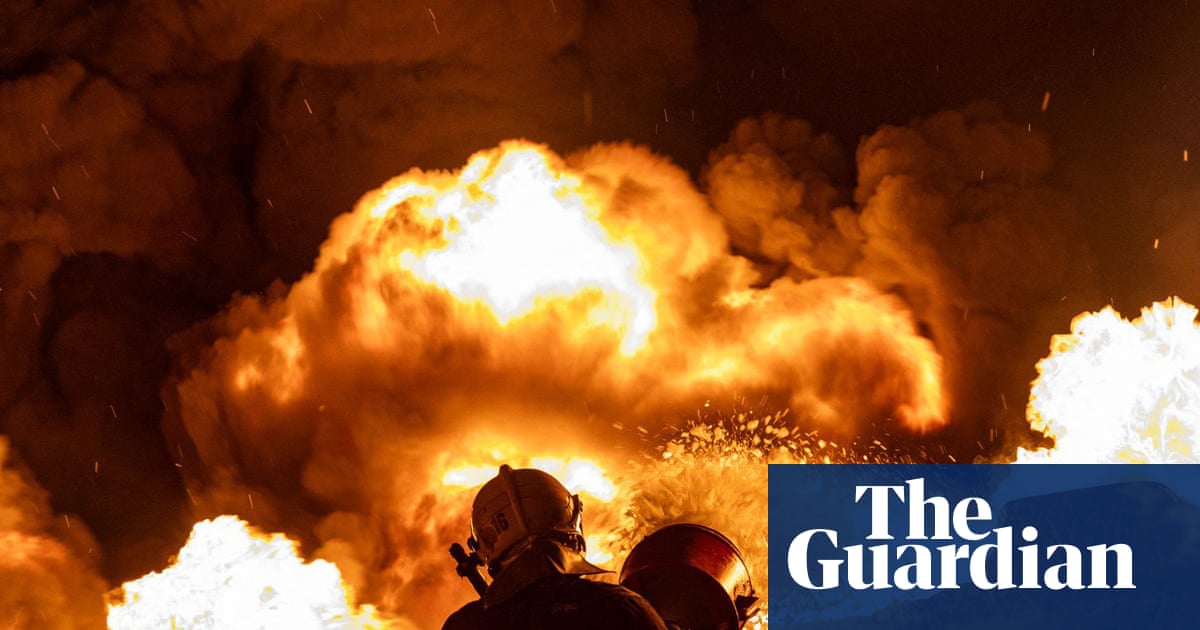
Russia launched a major drone-and-missile attack on Ukraine on January 24, 2026, striking Kyiv and Kharkiv and causing deaths, injuries and widespread damage, according to reporting. The barrage came as U.S.-led tripartite talks involving Ukrainian, Russian and U.S. negotiators continued in Abu Dhabi, with Ukrainian officials describing the attack as an attempt to undermine diplomacy.
Ukrainian authorities said the strikes damaged residential areas and essential services while also compounding stress on the power grid during freezing conditions. Kharkiv, located near the Russian border and frequently targeted, was reported to have suffered multiple drone hits on civilian-linked sites, while Kyiv’s mayor described significant disruption across parts of the capital.
The reported scale of the attack—hundreds of drones and missiles—underscored Ukraine’s ongoing vulnerability to long-range bombardment, even when diplomatic channels are active. Power outages affected large numbers of residents, and cold temperatures increased risk to public health and critical services as emergency crews worked to stabilize affected neighborhoods.
Despite the strikes, negotiators continued discussions described as constructive in public statements. But the episode intensified skepticism inside Ukraine about whether Russia is negotiating in good faith while simultaneously escalating attacks on cities and energy infrastructure. The status of the Donbas region and broader territorial questions remain central to any prospective settlement, and analysts widely expect negotiations to be prolonged and politically contentious.
Ukraine has repeatedly urged partners to strengthen air defenses and maintain military support, arguing that protecting civilian infrastructure is essential for national resilience and for preserving leverage at the negotiating table. Meanwhile, Russia has denied targeting civilians in past conflicts while framing strikes as military operations; Ukraine and its allies dispute those characterizations when attacks hit urban areas and critical services.