Myanmar election moves toward a military-backed landslide as violence and exclusions shadow the vote
Myanmar’s junta-led election process is drawing fresh condemnation as analysts and rights advocates say a military proxy is poised for a sweeping win. Large areas were excluded due to conflict, turnout appeared subdued, and critics argue the vote is being used to entrench military rule rather than restore democracy.
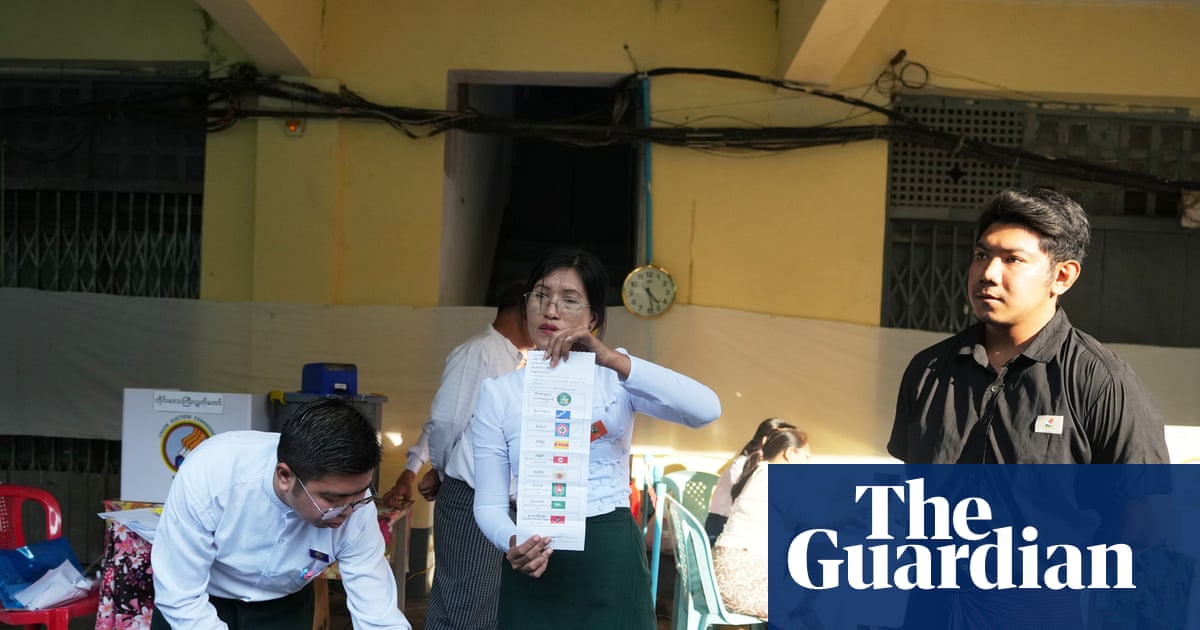
A vote framed as “transition” but denounced as a sham
Myanmar’s election entered its final stage under the watch of a military leadership that seized power in a 2021 coup and has since prosecuted a far-reaching crackdown. The process has been widely criticized by international observers and human rights advocates, who argue the vote is designed to legitimize military rule behind a civilian façade.
Analysts expect the junta-aligned Union Solidarity and Development Party (USDP) to dominate, in part because meaningful opposition has been dismantled. Aung San Suu Kyi’s National League for Democracy, which previously won landslide victories, has been banned, and popular political figures have been imprisoned or pushed out of public life.
Conflict limits participation, and fear shapes the environment
The election unfolded against ongoing fighting and continued airstrikes in multiple regions. Significant portions of the country were excluded from polling due to insecurity and contested control. Those exclusions, coupled with security restrictions and arrests, contributed to an atmosphere in which participation is difficult to interpret as free choice.
Rights advocates said legal threats also loom over citizens, journalists, and parties. Measures described as “election protection” have been criticized as tools to criminalize dissent, discourage scrutiny, and punish those who question the process. In that context, even basic election campaigning can carry heavy risks.
What the results may mean for Myanmar and the region
Even a formally completed election may do little to resolve Myanmar’s crisis because the core conflict is political legitimacy. Critics contend that the military is aiming to lock in a new governing structure while continuing its campaign against opposition forces, rather than opening space for negotiated reconciliation.
Regional diplomacy also remains strained. ASEAN has wrestled with how to engage Myanmar since the coup, and divisions among member states have limited unified action. The election, rather than easing that tension, is likely to deepen debates over whether engagement amounts to endorsing a system built on repression.
For Myanmar’s population, the central question is whether any electoral mechanism can function amid a civil war, sweeping detentions, and the removal of major political competitors. Critics argue that without inclusive participation and basic freedoms, the vote is unlikely to change the underlying trajectory.