Kosovo authorities detain more than 100 people over alleged election fraud in Prizren
Authorities in Kosovo announced the detention of 109 people suspected of involvement in electoral fraud tied to the December 2025 parliamentary election. The operation focused on alleged ballot manipulation in the city of Prizren.
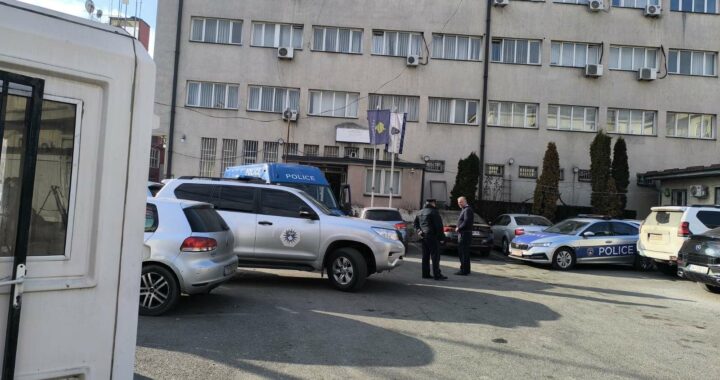
Detentions follow allegations of ballot manipulation
Kosovo authorities said 109 people were detained on suspicion of committing electoral fraud in Prizren, in a case linked to the country’s December 2025 parliamentary election. The detentions, announced on January 23, 2026, reflect heightened scrutiny of election integrity issues and the handling of alleged irregularities at the local level.
Officials have framed the action as part of a broader effort to protect the credibility of the vote and to pursue individuals believed to have participated in organized misconduct. In election-fraud investigations, authorities typically focus on claims involving vote-buying, manipulation of ballots, falsified records, or interference in vote counting and reporting.
Why Prizren matters in Kosovo politics
Prizren is one of Kosovo’s major municipalities and a political bellwether in parts of the country. Allegations of irregularities there can have outsized political impact, both because of the number of voters and because disputes may influence public confidence in the election system beyond a single locality.
Election-related probes often unfold in stages, moving from initial complaints and audits to criminal investigations and prosecutions. The scale of detentions suggests a coordinated law-enforcement operation, but the legal process can take months, including evidence review, court proceedings, and potential appeals.
What comes next
Authorities have not publicly detailed every allegation against each detainee, and detentions do not by themselves establish guilt. Next steps are likely to include formal charging decisions, presentation of evidence in court, and potential measures to safeguard upcoming electoral processes. The case could also fuel political debate over oversight, transparency, and enforcement standards across Kosovo’s election administration.
International partners that monitor elections in the region typically watch such investigations closely, since visible enforcement can deter future misconduct while also raising questions about due process and politicization. The durability of public trust will depend on clear evidence standards and an impartial judicial process.