Iran escalates warnings to the U.S. as protests and crackdown heighten tensions
Iran unveiled a new public warning against a potential U.S. strike as regional military deployments and domestic unrest collide. The move comes amid continued turmoil tied to nationwide protests and a severe crackdown, raising fears of miscalculation as rhetoric hardens on both sides.
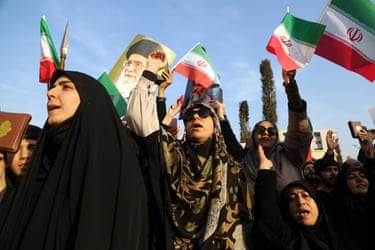
A public message aimed at Washington
Iran on January 25, 2026, unveiled a mural in Tehran carrying a blunt warning to the United States, a symbolic act designed to signal deterrence as tensions intensify. The mural’s message—framed as a cautionary proverb about consequences—was presented amid heightened concern that escalating pressure on Iran over its domestic crackdown could spill into a broader confrontation. The move underscores how Tehran blends public propaganda with strategic signaling, especially when it believes the risk of external action is rising.
The timing mattered. Iran has been facing major unrest after protests that began in late December 2025 amid economic distress and currency collapse. As demonstrations spread, reports described a harsh state response and worsening conditions for citizens trying to communicate with the outside world. With regional military postures shifting, Iranian officials appear intent on projecting readiness and resolve, even as internal instability persists.
Military deployments and the danger of miscalculation
According to reporting, U.S. naval deployments in the region were described as precautionary, while rhetoric about potential military consequences for continued repression added to the sense of crisis. Iran’s mural, while not an operational step on its own, functions as a political and psychological instrument: it is meant to shape perceptions of cost and to harden domestic support by depicting the country as defiant against foreign pressure.
In periods of unrest, governments often lean on nationalist narratives, and Iran has repeatedly used public imagery to frame confrontation as imposed from abroad. But such messaging also increases the stakes, because it can narrow leaders’ room to compromise without appearing weak. The simultaneous presence of protests, punitive internal measures, and external military signaling creates a volatile mix in which misunderstandings can become dangerous.
Global implications
The protests and crackdown are not only a domestic crisis; they have also become an international issue involving diaspora communities and governments weighing responses. As the U.S. and allies assess options—from diplomatic pressure to sanctions—Tehran’s warnings suggest it wants to deter escalation while keeping the focus on sovereignty and resistance. The coming weeks will likely hinge on whether tensions cool through diplomacy or intensify through further crackdowns, additional military movements, or retaliatory actions.