Georgia-led push seeks to pause new data centers powering the AI boom amid power and water concerns
Georgia lawmakers are considering a statewide moratorium on new data centers as public concern grows over electricity demand, water use, and tax incentives tied to AI-era infrastructure. The proposal reflects a broader trend of states grappling with how to regulate data center expansion while balancing economic development and consumer costs.
A political flashpoint over AI infrastructure
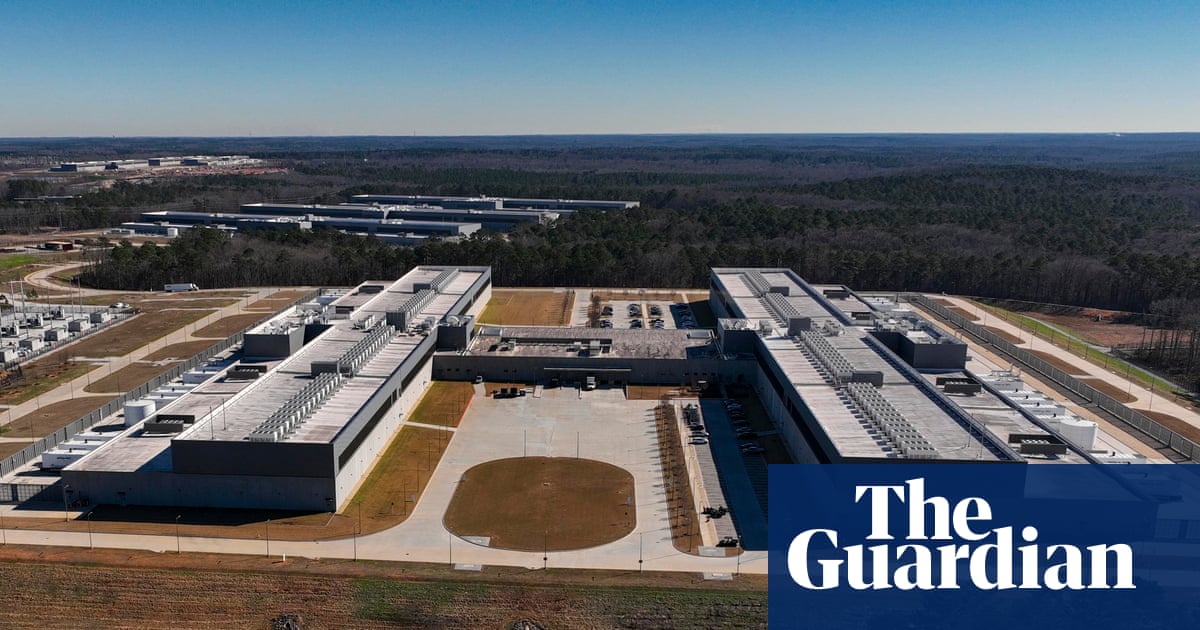
Georgia has emerged as a key battleground in the U.S. debate over data centers—the physical backbone of the country’s AI boom. A proposed bill would pause construction of new data centers through March 2027, giving state and local authorities time to craft rules on siting, utility impacts, and resource use.
Supporters argue that data centers can bring investment and jobs, but that the scale of recent projects has outpaced planning. Critics say communities are being asked to absorb higher electricity demand and heavier water use while data center operators collect substantial incentives. The debate is becoming a visible issue in state politics because it touches household utility bills, grid reliability, land use, and tax policy.
Power demand, water use, and utility costs drive the backlash
Modern data centers can be enormous electricity consumers, especially when they host AI workloads that require dense computing and continuous cooling. The Georgia discussion is unfolding alongside broader power expansion planning, and residents and lawmakers are questioning whether grid upgrades and generation additions are being accelerated primarily to serve data center growth.
Water is also central to the conflict, as many facilities rely on large amounts of water for cooling. Local governments are increasingly asking for clearer disclosure of resource needs and stronger accountability measures, including transparency about consumption, contingency planning during drought conditions, and limits on the public subsidies that may be offered.
Regulation debates spread beyond one state
Georgia’s proposal reflects a national pattern: states that have aggressively recruited data centers are now weighing whether the public costs are adequately understood and fairly distributed. Lawmakers from different parties are exploring mechanisms to protect consumers, reassess incentive structures, and require operators to contribute more directly to infrastructure upgrades.
For the AI economy, the stakes are significant. Data centers are essential to deploying new models and services, but their rapid expansion is colliding with local constraints and political limits. Whether Georgia enacts a moratorium or crafts alternative guardrails, the outcome could shape how other states approach AI-era infrastructure going forward.