Beijing clears Nvidia H200 imports for ByteDance, Alibaba and Tencent, Reuters reports
China has begun approving imports of Nvidia’s H200 AI chips, with Reuters reporting that more than 400,000 units were cleared for major firms including ByteDance, Alibaba and Tencent. The move eases uncertainty for Chinese tech companies seeking high-end compute for AI development.
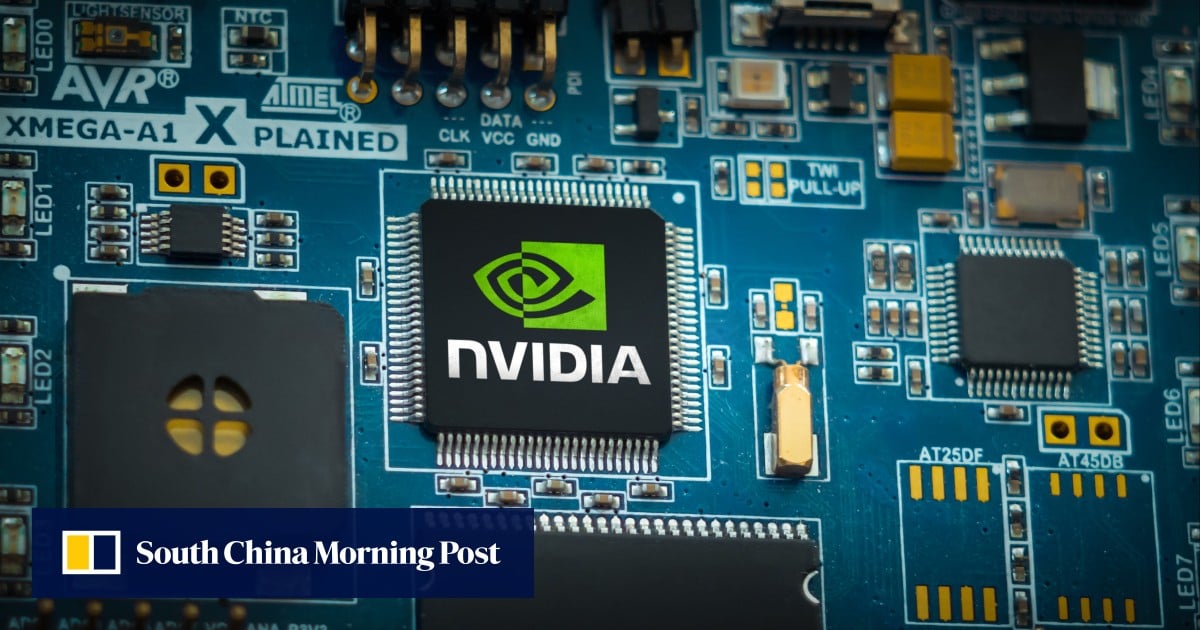
Chinese authorities have started approving imports of Nvidia’s H200 graphics processing units, a high-end chip used to train and run advanced artificial intelligence systems, according to sources cited by Reuters. The approvals reduce uncertainty for Chinese technology companies that have been trying to secure reliable supplies of top-tier AI hardware amid regulatory scrutiny and shifting geopolitical constraints.
Reuters reported that the approvals covered more than 400,000 H200 chips for some of China’s largest consumer internet and platform firms, including ByteDance, Alibaba, and Tencent. A source told the outlet that the first batch was expected to be directed to major tech players facing urgent demand for compute to support frontier model training, inference, and AI product rollouts.
The H200 is positioned as one of Nvidia’s most powerful AI accelerators in commercial distribution, and access to the chip can materially affect the speed and cost of developing large models. For companies operating at the scale of ByteDance, Alibaba, and Tencent, incremental supply can translate into faster training cycles, better product performance, and lower per-unit compute costs in high-volume services.
The approvals also highlight China’s balancing act: sustaining competitiveness in AI while pursuing longer-term goals of domestic semiconductor self-reliance. The same report suggested that access for some state-backed entities, including certain telecom operators, may still face tighter control, indicating that approvals could be shaped by sector, end use, and broader policy priorities.
For US and global markets, the development is closely watched because it touches both on Nvidia’s international sales prospects and on the pace at which Chinese firms can scale advanced AI systems. Even modest shifts in chip availability can influence the trajectory of AI product competition, particularly in consumer applications such as search, video, e-commerce, advertising, and enterprise cloud services.
The decision may also affect the competitive landscape among alternative chip suppliers. Greater access to Nvidia’s ecosystem—hardware plus software tooling—can reduce pressure to accelerate substitution, while any conditions tied to approvals could still incentivize investment in local GPU and accelerator programs.
In practical terms, the next questions will include how quickly shipments can arrive, whether additional approvals follow for other firms, and whether the process becomes predictable enough for companies to plan multi-quarter AI infrastructure investments. AI demand remains intense globally, and supply constraints in high-end GPUs have been a persistent bottleneck.
The reported approvals therefore represent more than a single procurement event: they are a signal about how China may manage access to foreign compute while trying to build a domestic hardware stack capable of supporting large-scale AI ambitions.