Georgia-led push seeks statewide pause on new datacenters powering the AI boom
Georgia lawmakers are considering a bill to pause new datacenter construction as states debate how to regulate AI-era infrastructure that can strain power grids, water resources, and local budgets.
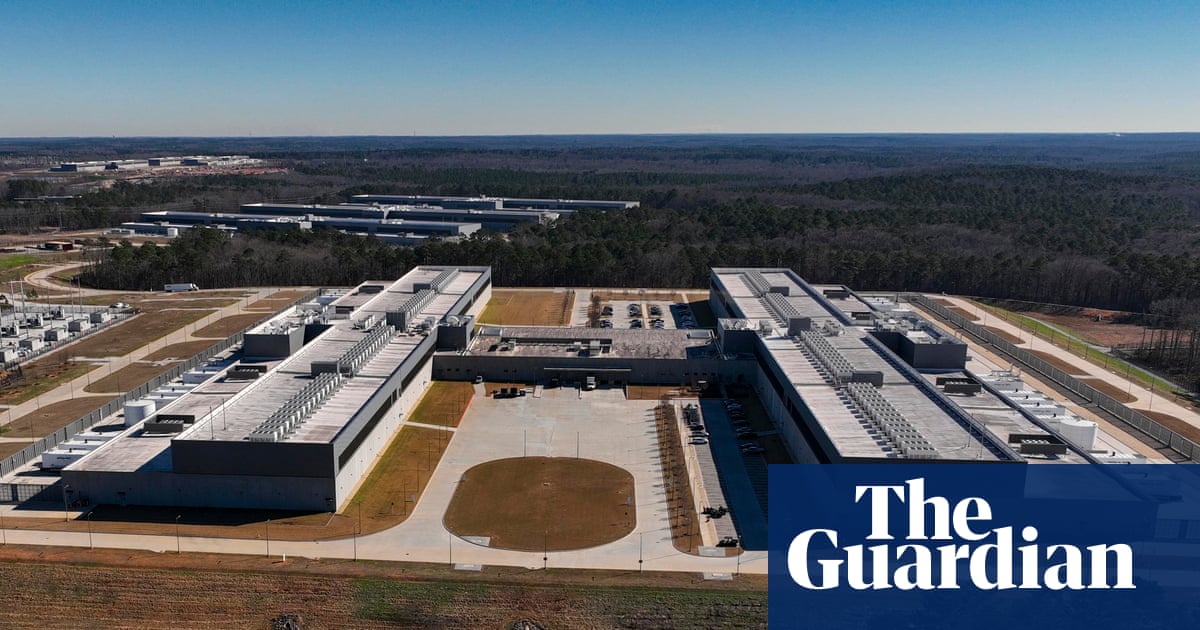
A growing backlash to the rapid expansion of datacenters—critical infrastructure for cloud computing and the AI boom—is taking shape in state capitols, with Georgia emerging as an early focal point. In Atlanta’s orbit and across the state, lawmakers and local communities are questioning whether the pace of construction has outstripped the rules needed to manage its effects on electricity costs, water use, land use, and tax policy.
In Georgia, a proposed bill introduced by state lawmaker Ruwa Romman would create what supporters say could become the first statewide moratorium on new datacenters in the U.S., with the goal of pausing approvals to give state, county, and municipal governments time to set clearer standards. The measure aims to halt projects through a set period while officials develop zoning approaches and requirements for disclosure and mitigation.
The debate is unfolding as electric utilities plan major expansions to meet projected demand, much of it tied to datacenter growth. Datacenters can draw massive amounts of power around the clock, and opponents argue that the buildout may shift costs onto ratepayers if utilities invest heavily in new generation and transmission. Supporters of more aggressive controls also highlight the facilities’ water consumption—especially for cooling—along with concerns that incentives and tax breaks can reduce the net fiscal benefit for localities.
Georgia’s discussion is not isolated. Similar statewide moratorium proposals have been introduced in other states, and numerous municipalities have adopted their own pauses or restrictions as they seek time to evaluate community impacts. Local leaders often cite the same practical problem: zoning and permitting frameworks were not designed for industrial-scale compute campuses that may permanently reshape traffic patterns, land values, and infrastructure loads.
Proponents of the datacenter industry counter that these facilities deliver meaningful investment, high-paying jobs, and long-term tax base growth, and they argue that blanket pauses risk pushing development—and associated economic benefits—elsewhere. Some lawmakers have looked for middle paths, such as consumer-protection measures that attempt to prevent rate spikes, or rules that require datacenter operators to publish annual energy and water usage and contribute to grid upgrades.
The fight is also political. Regulation of the power sector, including oversight bodies that approve utility plans, is becoming entwined with the datacenter boom as voters and legislators debate how to balance economic development with household affordability and environmental constraints.
For the tech sector, the stakes are high: AI training and inference demand ever more compute, and datacenters are the physical backbone of that demand. The policy question now confronting states is whether the rules for this new wave of industrial-scale computing should be shaped proactively—or only after communities experience higher bills, tighter water supplies, and infrastructure stress.