Georgia leads push for moratoriums on new data centers as communities question the costs of AI’s growth
Georgia lawmakers are weighing a pause on new data center construction as concerns grow about energy demand, water use and utility bills tied to the AI boom. Similar debates are spreading to other states as residents and officials seek stricter rules for a fast-expanding industry.
A backlash builds against data center expansion
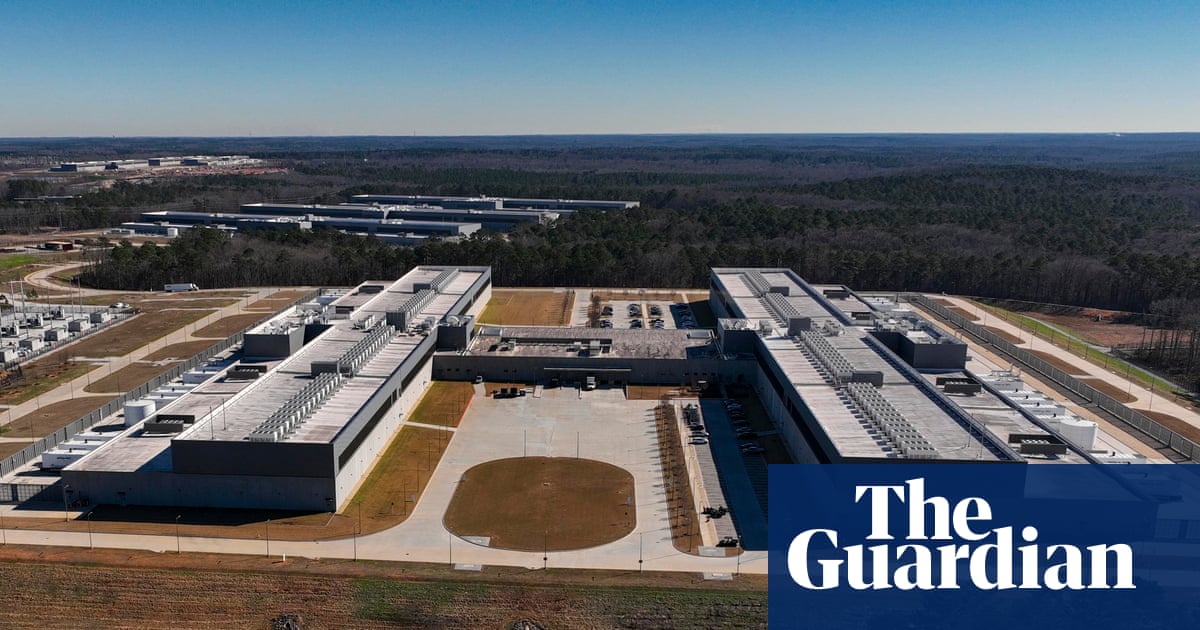
Georgia is emerging as a focal point for a growing national debate over the rapid construction of data centers, the warehouses of computing power that underpin modern cloud services and the accelerating AI boom. State lawmakers are considering a bill that would temporarily halt new data center development, giving local governments time to craft rules that address environmental impacts and consumer costs.
Supporters of a pause argue that the speed of construction has outpaced oversight, leaving communities to absorb higher electricity demand, new transmission and generation projects, and water usage that can be significant in certain cooling configurations. Critics also point to tax incentives and rate impacts, arguing the public is being asked to subsidize private infrastructure whose benefits are unevenly distributed.
What the proposed Georgia measure would do
The proposed approach would create a statewide moratorium on new facilities through March 2027, an interval designed to let counties and municipalities develop clearer standards on siting, resource use and financial accountability. The push is framed as a consumer-protection and planning measure, not an attempt to stop technology growth permanently.
The discussion is also entangled with broader energy regulation questions, including how utilities justify major expansions and how regulators assess long-term demand projections driven by large computing customers.
Why AI is at the center of the argument
AI training and deployment can require massive, sustained compute, and that translates directly into higher power consumption. In states that have become attractive hubs for these facilities, residents are increasingly asking whether local infrastructure can keep up without driving up utility rates or stressing water systems.
As this debate spreads, Georgia’s decision could become a model—or a warning—for other states trying to balance economic development, grid reliability, environmental constraints and the political costs of rising bills.