At CES 2026, Nvidia, AMD and Intel push ‘physical AI’ and new chips as robotics take the spotlight
CES 2026 opened with a wave of AI and chip announcements led by Nvidia, AMD and Intel, while robot demonstrations and autonomous-vehicle concepts underscored the industry’s push to move AI from screens into machines and services.
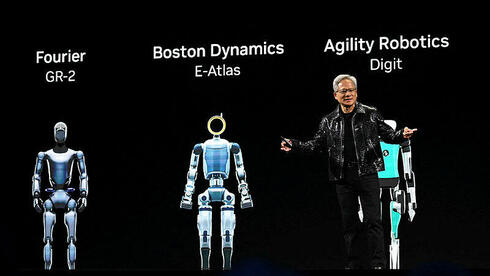
CES 2026 in Las Vegas kicked off with artificial intelligence as the dominant theme, as chipmakers and consumer-tech companies competed to show how the next wave of products will rely on AI not just as software, but as a core layer of computing. Nvidia, AMD and Intel each used the show to preview new platforms and strategies aimed at keeping pace with surging demand for AI infrastructure.
Nvidia CEO Jensen Huang promoted the company’s concept of “physical AI,” highlighting models trained in simulated environments that can then be deployed in real-world machines. Nvidia introduced new AI models, described next-generation chip platform plans, and emphasized partnerships intended to bring AI systems into industrial and transportation applications.
AMD focused on new Ryzen AI chip offerings and gaming-oriented processors, aiming to expand the market for on-device AI and performance computing. Intel highlighted upcoming chip lines and showcased designs meant to push AI capabilities into portable and consumer-friendly form factors.
Beyond semiconductors, the event featured a renewed robotaxi storyline, with Uber presenting an autonomous-vehicle concept developed with partners. Other demonstrations, including robots and interactive toy and entertainment technology, reflected CES’s role as a showcase for attention-grabbing prototypes alongside near-term consumer releases.
Taken together, the first day’s announcements pointed to an industry narrative for 2026: AI capabilities are being packaged into chips, vehicles, robots and household devices, with companies betting that customers will pay for systems that can perceive, decide and act—rather than simply generate text or images.