Airlines lean on apps and automated rebooking as the storm stress-tests travel technology
As a winter storm drives widespread cancellations, airlines and airports rely on apps, flight-tracking systems and automated workflows—while travelers discover the limits of self-service during mass disruption.
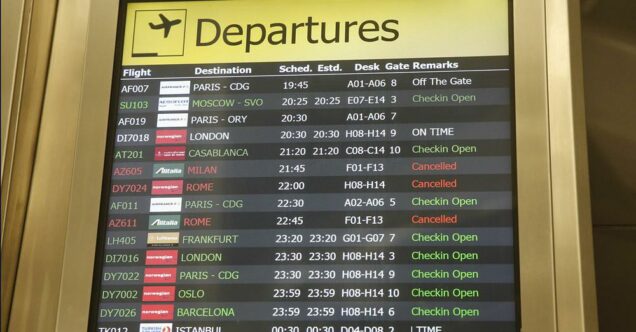
A real-world stress test for aviation tech
The massive U.S. winter storm hitting on January 25, 2026 has turned airline apps, airport operational systems and flight-tracking platforms into mission-critical tools for millions of travelers. With thousands of cancellations and delays across major hubs, carriers are urging customers to use self-service channels—apps, websites and text alerts—to monitor status changes and rebook quickly as schedules collapse and recover in waves.
In normal conditions, automated rebooking and digital notifications can reduce call-center load and speed up recovery. During system-wide weather events, however, the volume of passengers attempting to rebook at the same time can expose bottlenecks: limited seat inventory, downstream aircraft displacement, crew legality constraints, and the simple fact that new flights cannot exist until weather clears and capacity returns.
Travelers have also leaned heavily on independent flight-tracking sites to confirm airport-level impacts and to spot alternative routings. But data visibility can’t solve the hardest problem of a major storm: there may be no feasible seats for days on the most affected city pairs, forcing passengers to choose between waiting, rerouting through less-impacted airports, switching to ground transport, or canceling and seeking refunds.
Airports are running their own operational technology under pressure, coordinating gate assignments, de-icing queues and runway closures while accommodating irregular operations. Even relatively small disruptions can cascade when an aircraft times out on the tarmac, crews exceed duty limits, or connecting passengers miss downstream flights—effects that multiply when weather affects many airports simultaneously.
From a consumer-tech perspective, the storm is also highlighting what digital tools can and cannot do. Apps can surface real-time options, process refunds and issue electronic boarding passes, but they often struggle to handle edge cases such as complex multi-city itineraries, tight international connections, or partial-trip cancellations. That leaves some travelers still needing human agents—exactly when phone lines and airport counters are most overloaded.
A key rights-related feature is also being tested: refunds. U.S. rules require refunds for canceled flights if the traveler chooses not to fly. During mass disruptions, clearer in-app refund pathways and transparent timelines reduce friction and complaints, while confusing workflows can intensify public anger. The scale of this weekend’s cancellations will likely become another benchmark event for how well airline digital systems communicate, rebook and refund under stress.