Trump’s affordability tour keeps colliding with immigration crackdown fallout after Minneapolis shooting
President Donald Trump tried to put prices and pocketbook issues front and center during a trip to Iowa, but questions about the fatal shooting of an ICU nurse by federal immigration agents in Minneapolis again pulled the White House back into an escalating political and legal storm.
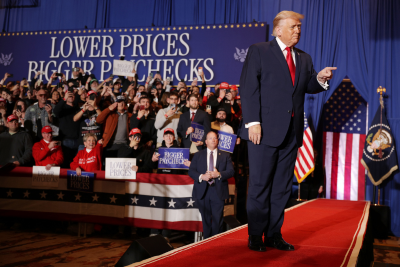
President Donald Trump traveled to Iowa on Tuesday as part of a week-by-week push to sell his economic message ahead of the midterm elections, with aides framing the trip around affordability, energy policy and kitchen-table costs. But the political oxygen was again consumed by the intensifying backlash over the shooting death of Alex Pretti, a Minneapolis ICU nurse killed by federal immigration officers over the weekend, an episode that has triggered bipartisan outrage and renewed scrutiny of the administration’s enforcement tactics.
Reporters pressed Trump repeatedly as he departed Washington, forcing a public split from language used by senior staff. Trump rejected a social-media claim from deputy chief of staff Stephen Miller that described Pretti as an “assassin,” saying he did not believe that characterization. He also described the killing as “a very sad situation,” and said a “big investigation” was underway, adding that he wanted what he called an “honorable and honest” review.
The episode underscores a recurring problem for the White House: efforts to refocus the national conversation on prices, taxes and wages keep getting diverted by crisis. According to the AP, the Iowa stop followed a series of trips to Michigan, Pennsylvania and North Carolina aimed at mobilizing supporters and shoring up Republicans in competitive districts. Iowa, while trending Republican in recent years, still features hot races that could hinge on turnout and voter sentiment about the economy.
Trump’s Iowa messaging was also expected to highlight energy policy and broader cost-of-living themes, as the administration argues that its tax and spending agenda will boost growth and reduce household strain. Republicans want the spotlight back on those claims as they prepare for November, banking on Trump’s travel schedule to keep the party’s base engaged while persuading swing voters who say they feel squeezed by everyday expenses.
But the Minneapolis shooting has become a flashpoint in the larger debate over immigration enforcement. The death came after a previous January incident involving the killing of Renée Good, which sparked protests and heightened tensions around federal operations. Pretti had participated in demonstrations related to that earlier case, and the new shooting has amplified calls for accountability from critics who accuse federal agencies of using excessive force and failing to provide clear public answers.
Trump also addressed questions about Homeland Security Secretary Kristi Noem, who had quickly cast Pretti as a violent instigator in initial messaging. Trump said Noem would not resign, even as pressure mounts from Democrats and some local officials who want major changes to the federal posture in Minnesota. The administration’s ability to keep its economic narrative intact may depend on how quickly investigators establish an authoritative timeline—and whether new video, witness accounts or internal findings contradict early official statements.