White House steps back from ‘assassin’ label after Minneapolis protester is killed
The White House tried to separate President Donald Trump from inflammatory characterizations by aides after the fatal shooting of Minneapolis protester Alex Pretti, while political pressure grew for a fuller public accounting of what happened.
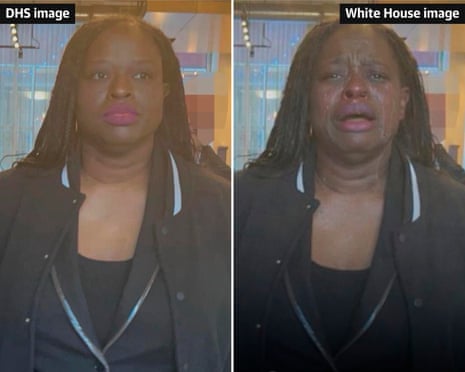
The White House on Monday sought to distance President Donald Trump from language used by top administration figures after Minneapolis protester Alex Pretti was shot and killed Saturday by a U.S. Border Patrol officer. In the immediate aftermath, Deputy White House chief of staff Stephen Miller described Pretti as “an assassin” who “tried to murder federal agents,” while Homeland Security Secretary Kristi Noem used a “domestic terrorist” label—phrases that intensified an already volatile national debate over immigration enforcement and the use of force.
At a briefing, press secretary Karoline Leavitt said she had not heard Trump use the “assassin” language and indicated he had not personally characterized Pretti in those terms. The White House shift came as scrutiny widened beyond Democratic critics to include some Republicans, who publicly called for transparency and deeper investigation into the circumstances of the shooting. Leavitt emphasized that Trump wanted a “full investigation,” framing the administration’s position as one that would wait for reviews to run their course.
Even as officials backed away from the most incendiary words, Leavitt continued to blame Minnesota’s Democratic leadership for the broader climate of confrontation in the Twin Cities. She said the violence followed what she described as “hostile resistance” by Democratic leaders and accused them of spreading misinformation about federal officers. The administration has argued that local opposition to federal immigration operations helped set conditions for unrest, while Minnesota leaders have pushed back, calling the enforcement surge unconstitutional and demanding local control.
The case quickly became a political flashpoint because it followed another fatal Minneapolis shooting earlier in the month amid a widening immigration enforcement push. Legal and political battles have also escalated: federal courts are reviewing Minnesota’s efforts to halt the enforcement surge, while lawmakers debate what oversight Congress should exercise. The discussion has spilled into broader questions about accountability standards for federal agents, the rules governing crowd-control tactics, and how immigration enforcement is conducted in major U.S. cities.
In parallel, bipartisan voices pressed for a more complete accounting of how the confrontation unfolded, signaling that the administration’s description of events may be tested in multiple forums at once—through internal reviews, possible congressional hearings, and court proceedings. For Minneapolis residents, the immediate concern remains de-escalation on the ground, alongside a demand for clarity about what officers did, why lethal force was used, and what policy changes may follow.