Minnesota protests intensify after fatal ICE shooting, as scrutiny grows over federal response
Demonstrations in Minneapolis expanded after the shooting death of ICU nurse Alex Jeffrey Pretti during anti-ICE protests. Conflicting official accounts, calls for investigations, and signals of possible operational changes have turned the incident into a national flashpoint over immigration enforcement and federal tactics.
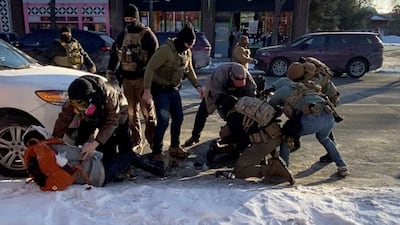
Large protests continued in Minneapolis after federal immigration agents fatally shot Alex Jeffrey Pretti, a 37-year-old intensive care unit nurse, during demonstrations tied to President Donald Trump’s immigration crackdown. Participants and witnesses described Pretti as filming events on his phone when he became entangled in a confrontation involving federal officers.
Officials asserted Pretti posed a threat, but video shared publicly and witness statements circulated widely online and in news coverage appeared to challenge key elements of the federal narrative. As footage spread, local and national outrage grew, with rallies and solidarity actions reported beyond Minnesota as the story became a broader referendum on enforcement tactics.
The shooting came weeks after another fatal incident involving federal immigration enforcement in Minneapolis, deepening anger and heightening pressure on the administration. Organizers framed the response as both a protest and a show of civic defiance, with reports of major downtown turnout and labor-linked actions that added an economic dimension to the unrest.
Political blowback accelerated as prominent figures and commentators called for inquiries and accountability, while federal officials offered shifting or contested explanations. The standoff also triggered debate about whether ICE operations in the city should be altered, paused, or relocated, and whether leadership changes inside the operation were underway.
In parallel, federal-state tensions sharpened after Attorney General Pam Bondi demanded access to Minnesota voter rolls and welfare data, linking the request to immigration enforcement decisions. Critics argued the demand politicized a public safety crisis, while supporters framed it as oversight and compliance.