A sprawling winter storm snarls travel, shuts schools and leaves millions under alerts across the U.S.
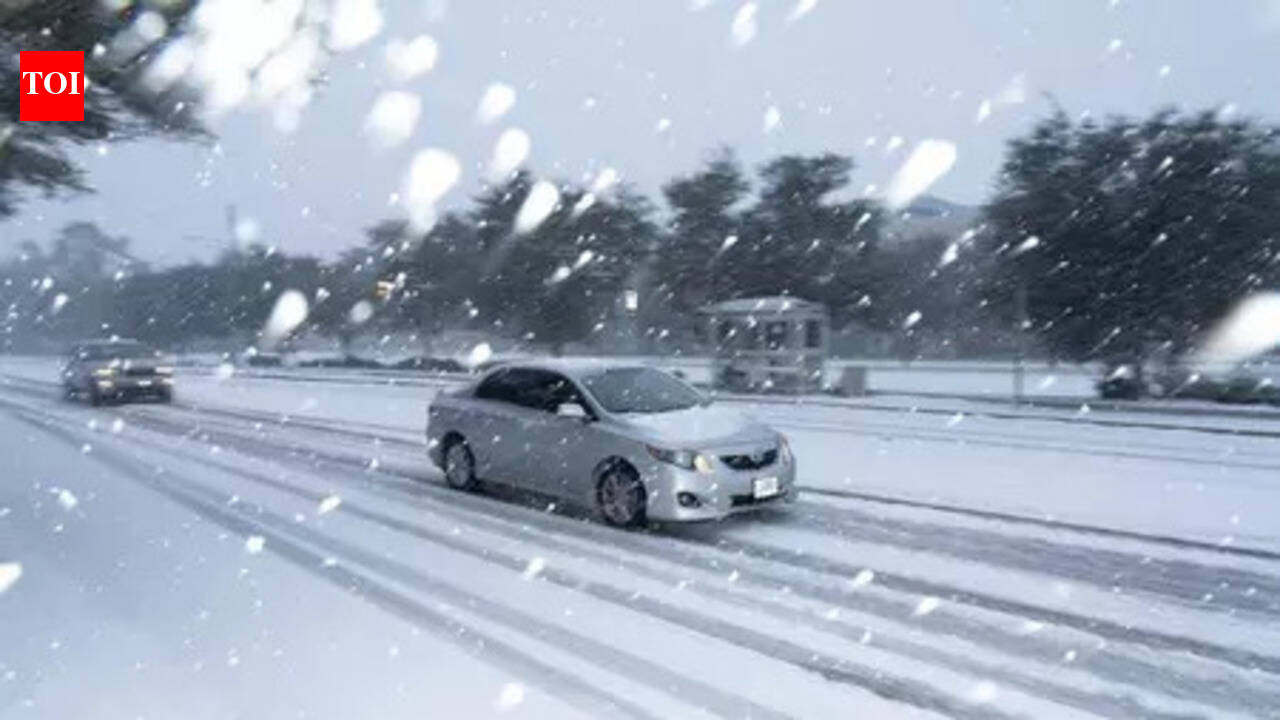
A major winter system stretching from the South into the Northeast triggered widespread school closures, dangerous road conditions and major flight disruptions on January 26, 2026. Officials urged people to limit travel as ice and heavy snow complicated commutes, strained power systems and forced districts and universities to switch to remote learning.
What’s happening
A powerful winter storm sweeping across large parts of the United States is driving widespread disruptions on Monday, January 26, 2026. Communities from the South through the Midwest and into the Northeast are dealing with hazardous roads, icy conditions and heavy snow, prompting school districts and colleges to close campuses or move classes online.
Weather alerts covered a broad swath of the country as the system pushed east, complicating travel and day-to-day routines. Local officials and transportation agencies warned that even short trips could become dangerous as precipitation changes between snow, sleet and freezing rain.
School and campus closures
Education systems in multiple states reported closures or remote-learning pivots, citing unsafe driving conditions and a need to keep buses and staff off roads. District-by-district decisions varied, but the overall pattern was consistent: administrators prioritized safety as the storm moved through and as crews struggled to keep up with rapidly changing conditions.
Universities in affected areas also adjusted schedules, with some canceling in-person instruction and others delaying openings, depending on local forecasts and the timing of the heaviest precipitation.
Why authorities are emphasizing caution
Ice is often the most disruptive element in major winter storms because it quickly turns roads into skating rinks and increases the risk of downed trees and power lines. Even where snowfall totals are manageable, freezing rain can cause multi-hour delays for emergency response and road treatment.
Officials urged drivers to slow down, keep distance between vehicles and avoid unnecessary travel until conditions improve. Residents were also asked to prepare for possible outages and to check on vulnerable neighbors during prolonged cold.
What to watch next
As the storm advances, disruptions may shift into new regions, especially where temperatures hover near freezing and precipitation types fluctuate. Travelers should monitor airline and highway updates, and families should check local district announcements for the latest guidance on closures and schedule changes.