Winter Storm Fern triggers mass travel disruption and emergency declarations across the U.S.
A major winter system dubbed Winter Storm Fern is sweeping the United States, bringing heavy snow, dangerous ice, and Arctic cold. Officials in multiple states have declared emergencies as airlines cancel thousands of flights and communities brace for worsening conditions through Jan. 26.
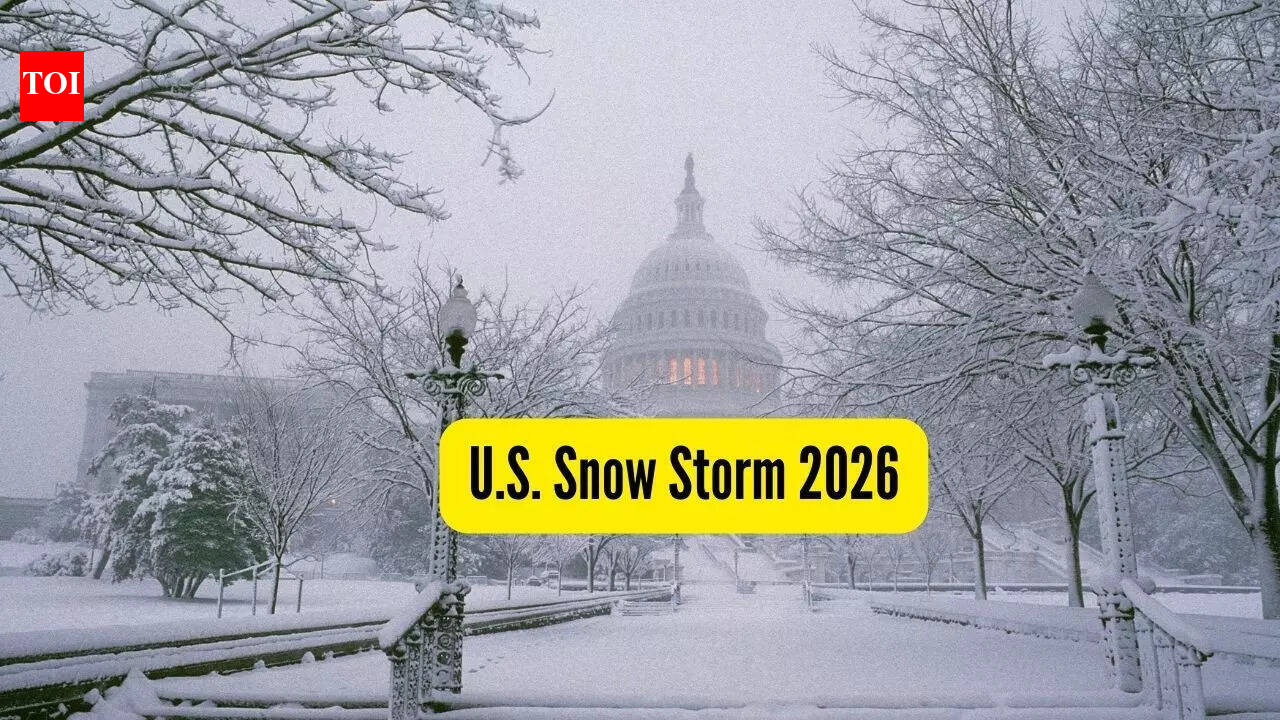
A multi-day winter system expands impacts
Winter Storm Fern is forecast to hammer wide swaths of the United States from January 23 through January 26, 2026, with a mix of heavy snow, ice, and bitter cold. Forecasters have warned that the storm’s footprint stretches from parts of the Southern Plains toward the Midwest and into portions of the Northeast, creating overlapping hazards: snow and drifting in some corridors, and glazing ice in others.
The scale of the system is driving cascading disruptions. As the storm intensifies, road conditions deteriorate quickly, forcing local closures and slowing emergency response times. At the same time, the combination of high winds, icing, and rapid temperature drops raises the risk of scattered power problems, which can compound safety concerns during extreme cold.
Air travel is already snarled
Airlines and airports are dealing with widespread delays and cancellations as crews work around de-icing constraints, runway conditions, and aircraft positioning challenges. Reports tied to the storm described more than 10,000 flight cancellations over the weekend, with ripple effects expected to continue as the weather system shifts east and conditions change hour by hour.
For travelers, the most practical approach is to check airline and airport advisories frequently, confirm rebooking options before leaving for the airport, and prepare for overnight delays. In major storms, even regions not directly in the heaviest bands can see disruptions due to diverted flights, staffing constraints, and aircraft being out of place.
States issue emergency declarations and warnings
Multiple states have issued emergency declarations as the storm moves across the country, aiming to speed up resource mobilization, support road treatment operations, and coordinate sheltering where needed. Officials have urged residents to avoid unnecessary travel during peak icing and snowfall periods and to prepare for potential outages and rapidly changing road conditions.
Safety planners emphasize layered preparation: charge devices, ensure backup heat plans are safe, keep vehicles fueled, and assemble a winter kit that includes blankets, water, and traction aids. Even short trips can become hazardous if roads freeze faster than expected or if visibility drops in heavier snow bands.