Winter Storm Fern drives widespread travel chaos as states declare emergencies and airlines cancel thousands of flights
A major winter system, widely referred to as Winter Storm Fern, is spreading dangerous snow, ice and bitter cold across large parts of the United States, triggering emergency declarations, shutting down transportation and disrupting daily life from the Plains into the Northeast. Airlines have canceled thousands of flights, while road crews and utilities brace for more outages and treacherous travel.
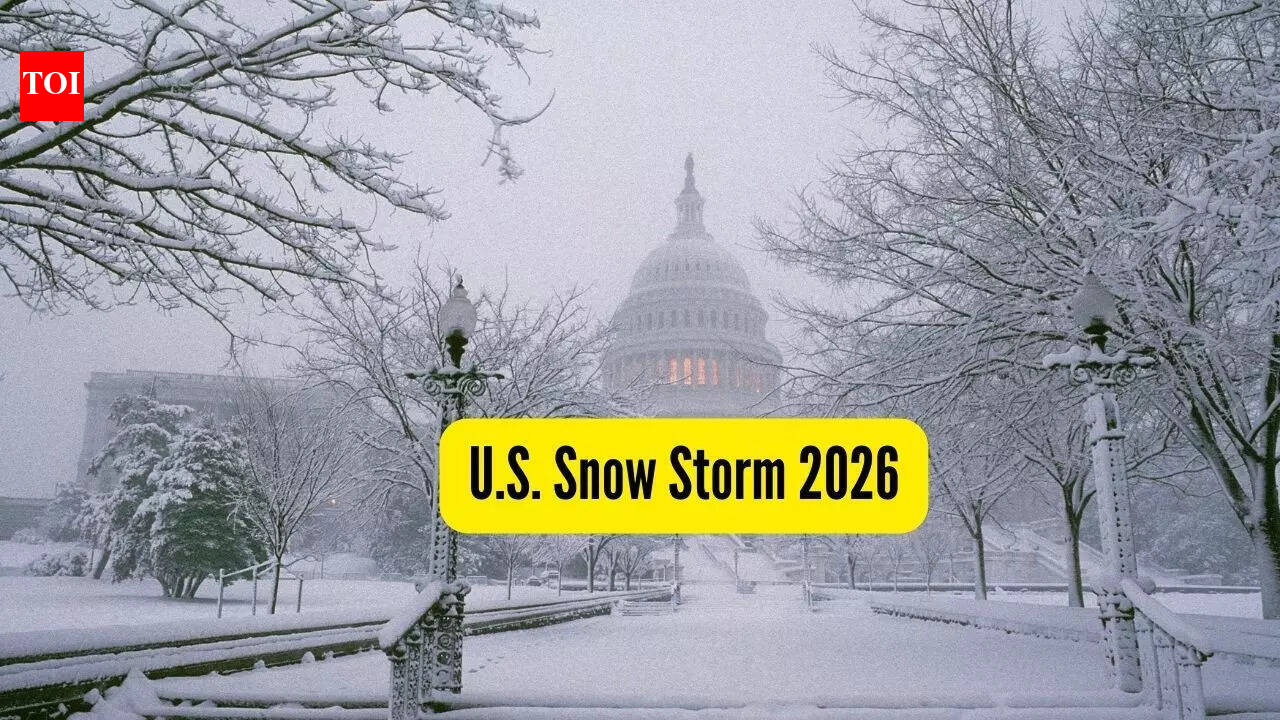
A fast-moving storm with a wide footprint
A sprawling winter storm is pushing snow, sleet and freezing rain across a huge stretch of the country, with forecasts calling for heavy snowfall in some corridors and damaging ice in others. Weather alerts cover a multi-state swath and officials are urging people to avoid unnecessary travel as conditions deteriorate and temperatures plunge. The storm has been described as one of the most disruptive weather events of the season, in part because it combines wintry precipitation with extreme cold and rapid changes in road conditions.
Emergency declarations and a surge of cancellations
Governors in more than 20 states have issued emergency declarations, activating resources for plowing, road treatment, shelter operations and power restoration. Airlines and airports are also feeling the pressure: flight cancellations have surged through the weekend as carriers attempt to reposition aircraft and crews while de-icing operations slow turnarounds. Rail service has been disrupted as well, and some localities have postponed events and closed public facilities to reduce traffic on dangerous roads.
What officials want residents to do
Authorities are repeating a familiar message: treat travel as optional, not routine, while the storm is at its worst. People are being asked to keep vehicles off the roads so plows and emergency crews can work, and to prepare for possible power interruptions by charging devices, checking heating options, and stocking essentials. Officials also warn that icy conditions can turn minor problems into major emergencies quickly, especially when wind chills drop to life-threatening levels.
Why this storm is so disruptive
The most difficult storms for transportation are often those that mix precipitation types—snow changing to sleet and then freezing rain—because plowing alone cannot keep surfaces safe. Even a small glaze of ice can shut down roads, increase crash risk and slow airport operations. The storm’s breadth also matters: when conditions are hazardous across multiple hub regions at the same time, delays cascade across the national network and cancellations pile up faster than normal.
What happens next
Forecasters expect the system to continue shifting east, with areas downwind of the heaviest bands likely to see changing conditions hour by hour. Emergency managers say the storm’s later impacts may include secondary hazards such as frozen pipes, prolonged power restoration in hard-hit areas, and difficult commutes even after precipitation ends because temperatures remain low. Travelers are being advised to check airline and airport updates frequently and to confirm road conditions before departing.