Outrage spreads after Minneapolis nurse is fatally shot by federal agents; Democrats threaten DHS funding fight
Protests and political backlash intensified after Alex Pretti, a 37-year-old Minneapolis nurse, was killed by federal agents. Video and witness accounts challenged initial claims that he posed a deadly threat, and Senate Democrats warned they could block funding tied to the Department of Homeland Security as pressure mounts over enforcement tactics.
A killing that reignited national anger
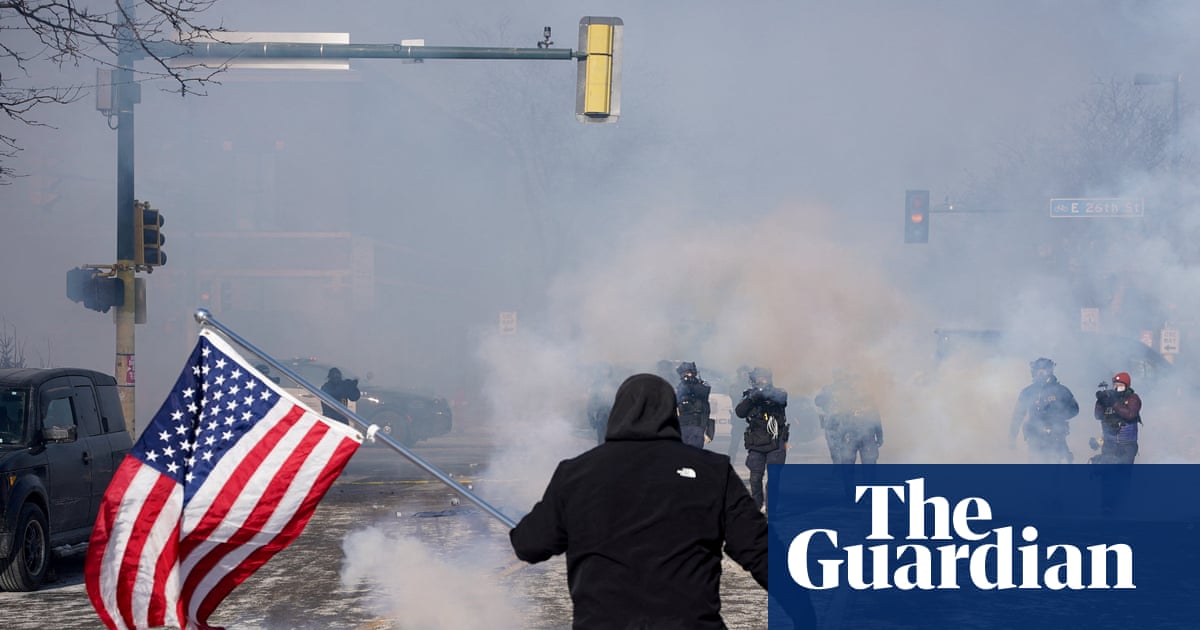
On January 24, 2026, Alex Pretti, an intensive-care nurse in Minneapolis, was shot and killed by federal agents during a confrontation connected to a broader immigration enforcement push, triggering an immediate surge of public outrage. By Sunday, January 25, demonstrations had spread, with protesters focusing not only on the shooting itself but also on the broader role of federal agencies involved in immigration enforcement and street operations. The death quickly became a national flashpoint, with critics arguing that heavy-handed tactics are escalating encounters and putting civilians at risk.
The story accelerated as footage circulated and as witnesses disputed the government’s early framing of the incident. The most damaging point for federal officials: accounts and video descriptions indicating Pretti may have been holding a phone rather than a weapon at the moment he was shot. Those details, amplified widely across social media and in political messaging, made it harder for officials to contain the narrative and fueled accusations that the killing was unjustified.
Political stakes rise on Capitol Hill
The fallout quickly became legislative. Senate Democrats, led by Chuck Schumer, signaled they were prepared to block a funding package if it included money for DHS without significant changes, using the appropriations process as leverage. Their argument centers on accountability and oversight for DHS components, including Immigration and Customs Enforcement. Republicans and administration allies pushed back, defending agents’ actions and criticizing opponents for turning a volatile incident into a budget standoff.
Local officials in Minnesota publicly condemned the killing and demanded clarity, while activists organized vigils and marches. Even as the debate sharpened, the broader news cycle kept pressure on the administration: large winter storms disrupted travel across the U.S., and the White House faced questions about priorities as public attention stayed fixed on the Minneapolis case.
What happens next
In the coming days, key questions are expected to focus on what federal agents believed they saw, what rules of engagement governed the encounter, and whether disciplinary or criminal reviews will follow. Politically, Democrats appear to be testing whether sustained public outrage can translate into concrete constraints on DHS funding and enforcement policy. For many protesters, the Minneapolis death is being framed as both a specific tragedy and a symbol of a wider fight over federal power and immigration enforcement in American cities.