Massive winter storm snarls U.S. travel, knocks out power, and triggers emergency declarations
A sprawling winter storm sweeping from the South into the Northeast is shutting down airports, icing roads, and leaving hundreds of thousands without electricity. Officials warn the worst impacts could persist into Monday, with dangerous ice in the Southeast and heavy snow in parts of the Northeast.
Air travel collapses as the storm spreads
A huge winter system blanketed wide swaths of the United States with snow, sleet, and freezing rain, causing the kind of cascading disruption that quickly spills from highways to airports. Airlines canceled more than 10,000 flights on Sunday alone, with flight boards across major hubs filling up with delays and cancellations as crews, aircraft, and gates fell out of position.
The storm’s footprint is broad enough that even travelers trying to reroute through a different region often find the alternate hub dealing with the same weather. Airports including Dallas-Fort Worth, Charlotte, Philadelphia, Atlanta, and New York City’s JFK and LaGuardia were among the locations hit by heavy cancellations, with some carriers cutting a large share of their schedules as conditions worsened.
Consumer advocates reminded passengers that when an airline cancels a flight and a traveler chooses not to take the trip, U.S. rules require a refund, including for optional fees like checked-bag charges, even when a ticket was labeled nonrefundable. Rebooking policies vary, but during major storms most airlines typically allow changes without a fee, depending on seat availability.
Ice and wind create widespread power and road hazards
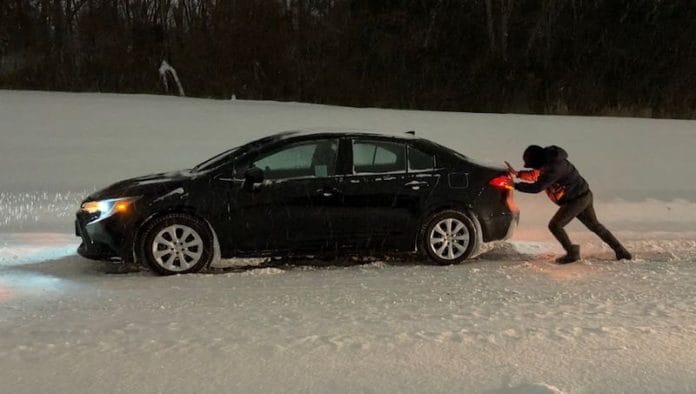
While snow totals draw the most attention, officials emphasized that ice can be more dangerous because it brings down trees and power lines and makes roads nearly impossible to treat. In parts of the South, freezing rain built up on bridges and overpasses, turning commutes into multi-hour slogs and increasing the risk of crashes even at low speeds.
Power outages spread as the storm moved east. In Tennessee and Texas, outage totals climbed into the hundreds of thousands when ice and wind snapped lines and damaged substations. Tens of thousands more customers across the Lower Mississippi Valley also lost service, and utilities urged residents to treat downed lines as live and to avoid using generators indoors.
States declare emergencies and federal resources mobilize
With conditions stretching across multiple regions, governors issued emergency declarations and pre-positioned road crews and shelter resources. Federal officials said FEMA deployed personnel and support assets to assist states dealing with outages, hazardous travel, and potential rescue needs as temperatures stayed dangerously low.
Meteorologists warned that the storm was not a one-day event: the system was expected to continue producing major impacts into Monday, with the most severe icing risk in parts of the Southeast and the heaviest snow expected in parts of the Northeast. Officials repeated a familiar message that matters most in widespread winter weather: avoid unnecessary travel, keep emergency supplies on hand, and check local alerts before driving.