Massive winter storm snarls travel and knocks out power across a wide swath of the U.S.
A sprawling winter storm pushed across much of the United States on January 25, 2026, bringing heavy snow, sleet, and freezing rain that triggered widespread power outages and a wave of flight cancellations. Forecasters warned the hazards could persist for days as bitter cold followed the ice and snow.
A storm that stretches for thousands of miles
A massive winter storm continued to hammer the United States on Sunday, January 25, 2026, with a long corridor of snow and ice stretching from parts of the South into the Northeast. The system produced a mix of snow, sleet, and freezing rain, making roads dangerous and slowing emergency response and utility work. The National Weather Service warned that impacts could linger, especially where ice accumulation and deep cold follow one another, leaving trees, power lines, and untreated roads vulnerable.
The storm’s geographic footprint was unusually large, affecting travel and daily life across multiple regions at once. In many areas, residents faced not only slippery roads but also falling limbs and damaged lines as freezing rain built up on surfaces. Officials repeatedly urged people to stay off the roads unless travel was essential, noting that even short trips could become hazardous when black ice forms or when visibility drops in heavy snow.
Power outages spread as ice and wind take a toll
Utilities reported large-scale outages as ice and winter weather stressed the grid. Hundreds of thousands of customers were without electricity across several states, leaving many households relying on backup heat or emergency shelters. In hard-hit areas, crews faced slow restoration work because ice, downed trees, and treacherous driving conditions limited access to damaged lines.
Emergency managers warned that prolonged outages can quickly become dangerous in mid-winter, particularly for older adults and medically vulnerable residents who depend on powered devices or stable indoor temperatures. Local authorities advised residents to check on neighbors, conserve phone battery life, and follow guidance on safe generator use to avoid carbon monoxide poisoning.
Flights canceled and delays pile up
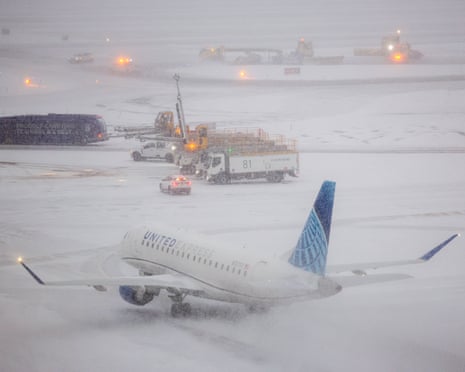
Air travel disruptions surged as the storm intensified, with a very large number of flights canceled and many more delayed at major hubs. Airports across the country dealt with de-icing backlogs, runway closures, and aircraft repositioning issues. Airlines urged travelers to recheck itineraries, take advantage of fee waivers where available, and consider postponing nonessential trips until conditions improved.
Beyond the immediate cancellations, the storm created ripple effects: aircraft and crews out of place, rebooking shortages, and crowded terminals where schedules kept shifting. Consumer advocates reminded passengers that, when a flight is canceled and a traveler decides not to fly, U.S. rules generally provide for a refund to the original payment method, though timelines and processing can vary.
What happens next
Forecasters warned that the storm’s impacts would not end when the snow stops. As temperatures drop, slush can refreeze and create renewed hazards on roads and sidewalks. In places where ice accumulation was significant, the risk of additional outages can persist as weakened branches continue to break in later gusts. Officials urged residents to follow local emergency alerts, keep extra blankets and supplies on hand, and avoid travel during the coldest periods unless absolutely necessary.