Study warns CDC database update slowdowns weakened U.S. disease surveillance in 2025
A new study reports that many CDC surveillance databases stopped or delayed routine updates in 2025, potentially leaving the U.S. more vulnerable to outbreaks and other health threats. Researchers say the gaps were concentrated in vaccination and vaccine-preventable disease tracking, raising concerns about how quickly officials can detect, model, and respond to emerging risks.
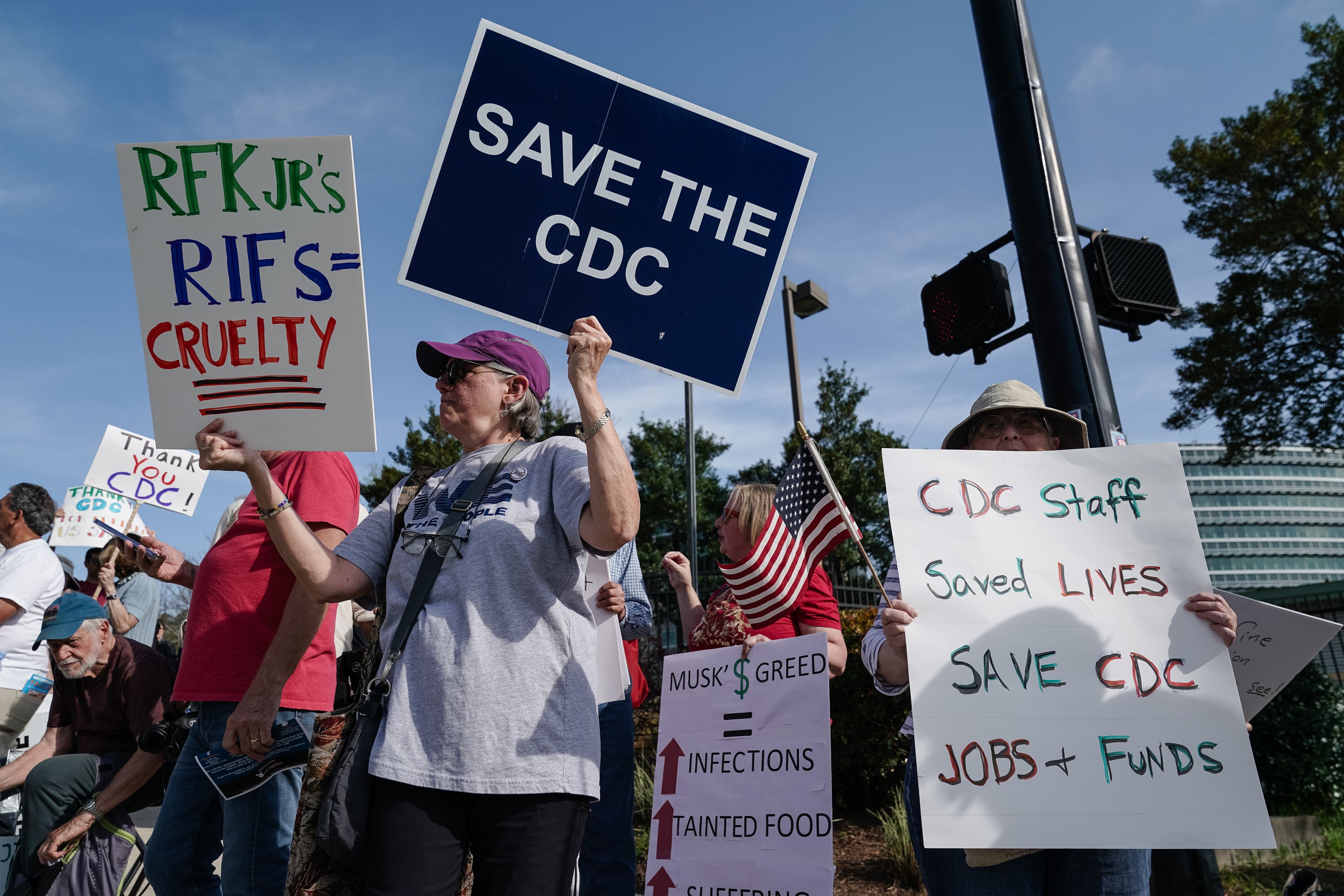
A new analysis warns that the United States may be more exposed to future outbreaks and health emergencies because key federal disease-tracking systems were not consistently updated in 2025. The study, reported Tuesday, January 27, 2026, found that nearly half of routinely updated surveillance databases maintained by the Centers for Disease Control and Prevention (CDC) either stopped updates or posted them with delays during the year.
Researchers said the disruption was especially pronounced in databases tied to vaccination and vaccine-preventable illnesses, including influenza, COVID-19, and RSV. Those systems help public health officials monitor trends, detect unusual spikes, and coordinate responses across states. When data arrives late—or not at all—modeling and decision-making can lag, particularly during fast-moving respiratory seasons.
The report emphasizes that national surveillance depends on coordination: state and local agencies contribute underlying data, but the CDC often provides the infrastructure, standards, and aggregation that make cross-state comparison possible. Experts cited in the report argued that replicating these systems outside the federal government would be difficult and costly, requiring stable funding and specialized expertise.
Public health specialists say surveillance gaps are not just an academic issue. They can affect hospital preparedness, vaccine messaging, and the timing of targeted interventions in high-risk communities. Overdose and infectious-disease datasets were among those cited as vulnerable when routine maintenance and staffing are strained.
The study’s authors and accompanying commentary frame the slowdown as a warning signal: data systems are part of the country’s frontline defenses, and their reliability can shape outcomes when new variants, novel pathogens, or localized outbreaks appear. Without timely information, officials risk reacting after hospitals are already under stress.
Researchers urged renewed attention to the operational capacity behind public health data—funding, staffing, and intergovernmental coordination—arguing that the cost of maintaining dependable surveillance is small compared with the economic and human costs of delayed outbreak detection.