NYC nurse strike continues into third week as union says benefits protected, staffing talks persist
The New York State Nurses Association said the largest nurse strike in NYC history moved into its third week as bargaining resumed, with the union highlighting an agreement to maintain health benefits while pressing for safe staffing and violence protections.
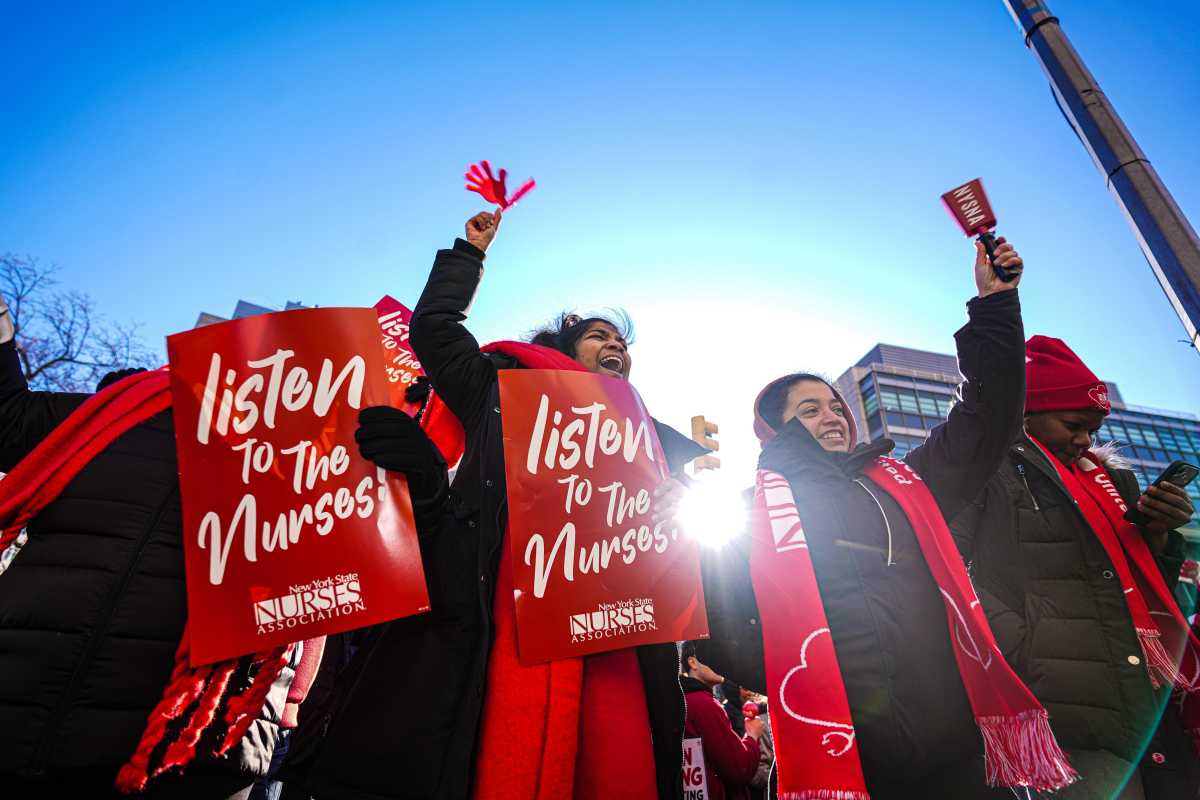
The New York State Nurses Association said Tuesday that its strike—described by the union as the largest nurse strike in New York City history—continued into a third week as nurses resumed picketing and returned to negotiations with hospital management. The labor action has focused attention on staffing levels, workplace safety, and the broader question of how hospitals allocate resources amid persistent burnout and recruitment challenges.
Bargaining resumes as pickets continue
NYSNA said nurses and hospital representatives returned to the bargaining table on Tuesday, Jan. 27, while picket lines remained active outside facilities. The union framed the moment as a test of whether management will agree to contract terms that nurses say are necessary to protect patient safety and prevent dangerous working conditions on understaffed units.
According to the union, a key sticking point—health benefits—saw progress over the weekend, with NYSNA saying agreements were reached to maintain the union’s Plan A health benefits with no cuts at Mount Sinai and NewYork-Presbyterian. NYSNA presented that development as an important hurdle cleared, though it emphasized that major issues remain unresolved.
Safe staffing and workplace violence protections at the center
The union said safe staffing remains a top demand, arguing that consistent nurse-to-patient coverage is necessary to avoid preventable harm and to ensure patients receive timely care. NYSNA also highlighted protections from workplace violence as another priority, reflecting a growing concern among healthcare workers who report increasing incidents in emergency departments and inpatient settings.
With negotiations continuing, the dispute is shaping a broader public debate: whether hospital systems can recruit and retain nurses without formal staffing protections, and how long large urban hospitals can rely on contingency coverage while core bedside staff remain in a high-profile labor standoff.