Ethiopia ends Marburg outbreak; WHO warns vigilance still needed against deadly virus
Ethiopia says its first Marburg virus outbreak is over after 42 days with no new confirmed cases, but health officials note the virus remains a threat where spillover and transmission risks persist.
Ethiopia has declared the end of its first Marburg virus disease outbreak after reaching the World Health Organization’s 42-day threshold with no new confirmed cases. The declaration, made on January 26, 2026, closes an outbreak that began in November and tested the country’s ability to quickly detect, isolate, and stop transmission of a rare but high-fatality pathogen.
Health officials reported 14 confirmed cases during the outbreak, including nine deaths and five recoveries. The WHO said it supported Ethiopia’s Ministry of Health and the Ethiopian Public Health Institute with technical help across surveillance, laboratory diagnostics, infection prevention and control, and operational coordination—areas that are especially important for viral hemorrhagic fevers where safe care and rapid contact tracing can break transmission chains.
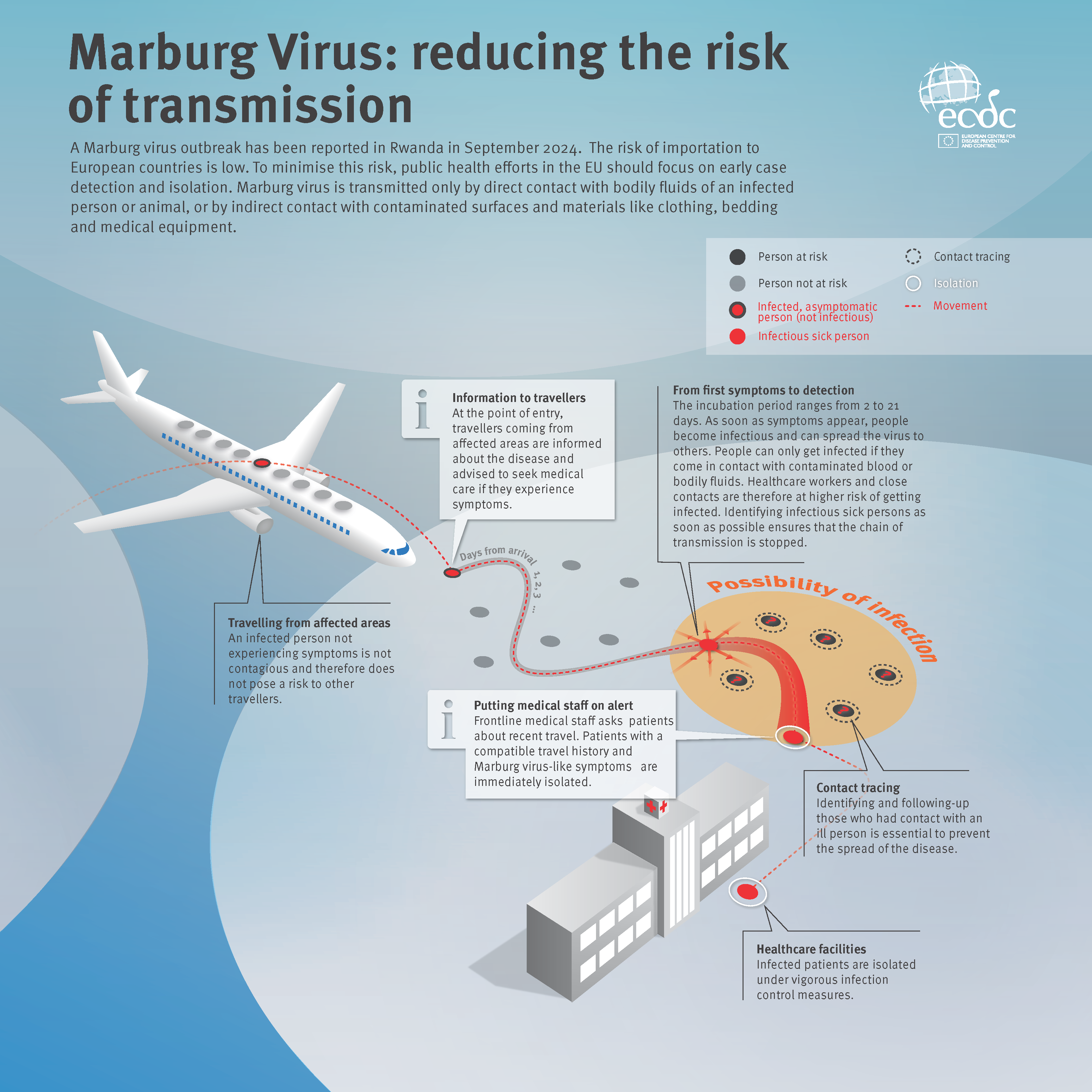
Marburg, like Ebola, can cause severe disease characterized by fever, muscle pain, vomiting, and diarrhea, with some cases progressing to bleeding and death from shock or blood loss. The virus is linked to fruit bats, and human-to-human spread can occur through close contact with bodily fluids or contaminated surfaces. That makes protective equipment, safe burials, and community awareness essential in preventing amplification.
The 42-day milestone is widely used because it represents two full incubation periods, offering greater confidence that hidden chains of transmission have ended. Even so, health agencies typically emphasize that an “end of outbreak” declaration is not the same as “end of risk.” Public health systems may still face the challenge of detecting new spillover events, especially in regions where people live or work in environments that bring them into contact with bats or other wildlife reservoirs.
Global health experts often stress that the most important legacy of an outbreak is strengthened readiness: improved lab capacity, trained rapid-response teams, stronger infection-control practices in clinics, and trust-building with communities so that symptoms are reported early and care can be sought quickly.
For travelers and the public, the main takeaway is that Marburg outbreaks are typically localized, but the disease is serious and requires careful public health management. The end of this outbreak signals that Ethiopia’s intensive surveillance and control measures worked—while also highlighting why continued monitoring remains critical even after transmission appears to have stopped.