U.S. drops several routine childhood vaccine recommendations, drawing sharp criticism from physicians
The U.S. has reduced the number of vaccines it recommends for every child, shifting several shots to high-risk groups or shared decision-making with doctors. Medical organizations warned the change could create confusion and increase preventable disease as vaccination rates slip and outbreaks rise.
A major shift in the childhood vaccine schedule
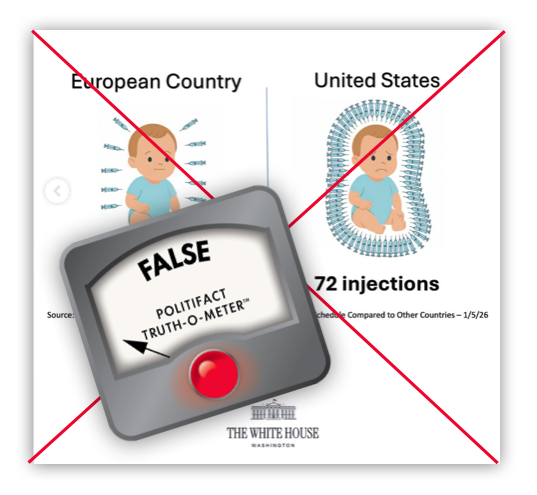
The U.S. government revised its childhood vaccination guidance, reducing the number of universally recommended vaccines from 17 to 11 and making the change effective immediately. Under the updated approach, protections against flu, rotavirus, hepatitis A, hepatitis B, RSV, and certain meningitis strains are no longer broadly recommended for all children; instead they are limited to groups labeled high-risk or to cases handled through “shared decision-making” between families and clinicians.
The overhaul, requested by President Donald Trump and supported by Health Secretary Robert F. Kennedy Jr., was described by administration officials as an attempt to align the U.S. with peer nations and rebuild trust in public health. Officials also said families who still want the vaccines should be able to access them and that insurance coverage would continue.
Medical experts warn of confusion and disease risk
Physician groups and public-health experts criticized the move, arguing that narrowing routine recommendations can undermine clarity for parents and weaken vaccine uptake, especially in communities already affected by misinformation and rising exemptions. Critics also questioned the transparency of the process and cautioned that changing what is “routine” can influence both perception and practice even when vaccines remain available.
Public-health specialists point out that vaccine recommendations are typically calibrated to local disease burden, health-system capacity, and real-world risks—not simply matched to another country’s schedule. They also warn that the combination of slipping coverage and shifting guidance can open pathways for outbreaks, especially for highly contagious diseases and illnesses that spread quickly in schools and childcare settings.
States, schools, and the practical impact
States—not the federal government—control school vaccine requirements, but federal recommendations often shape state policy, insurance norms, and clinician workflows. With the new schedule in place, some states have indicated they may seek their own approaches to counterbalance federal guidance, which could create a patchwork of rules and expectations.
Clinicians anticipate a heavier counseling burden: explaining why a vaccine may no longer be “routine,” while also discussing why many doctors may still view it as beneficial based on local risk. The long-term public-health outcome will hinge on whether uptake declines for vaccines moved into optional or high-risk categories, and whether disease incidence changes as a result.