AP: U.S. risks losing measles elimination status as a long-running outbreak spreads to multiple states
A persistent chain of transmission that began in West Texas is pushing the U.S. toward a key public-health threshold that could end its measles elimination designation.
Why “elimination status” is now at risk
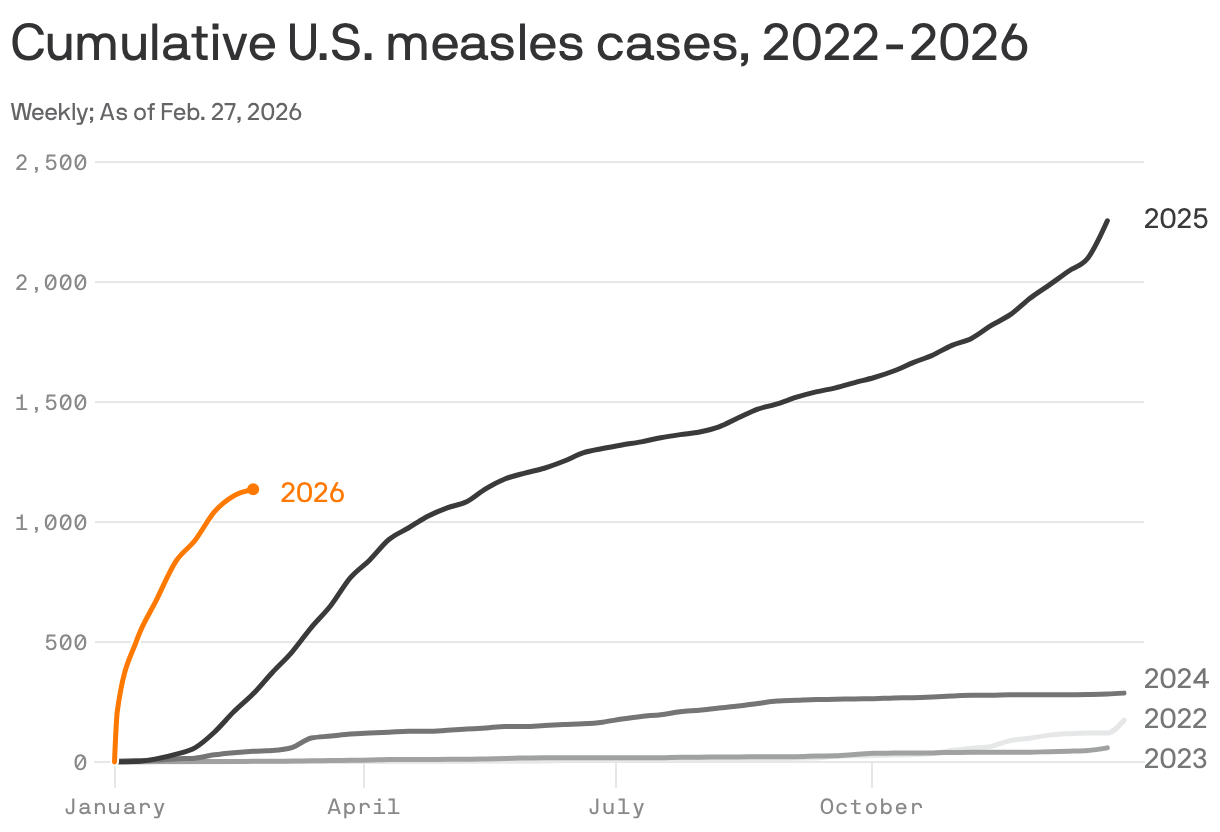
A sustained measles outbreak that began in West Texas in January 2025 has spread across multiple states and is now putting the United States at risk of losing its measles elimination status, according to an Associated Press report published January 21, 2026. Public-health authorities define loss of elimination status as uninterrupted measles transmission for at least 12 months—meaning the virus is spreading continuously in a way that reflects ongoing community transmission rather than isolated importations.
The Pan American Health Organization is expected to evaluate the U.S. situation in April 2026, the report said. The stakes are both practical and symbolic: elimination status signals that a country’s vaccination coverage and outbreak response are strong enough to prevent sustained transmission. Losing that status would indicate deeper vulnerabilities in immunization systems, access and public trust.
The AP report described measles activity spreading into multiple states including Utah, Arizona and South Carolina, while also noting that last year’s case totals were the highest in decades. Experts attributed the resurgence to falling vaccination rates and rising hesitancy, alongside barriers to access in some communities and growing public distrust fueled by misinformation.
Measles is highly contagious, and outbreaks can grow rapidly when pockets of unvaccinated people allow the virus to move through schools, households and community settings. Public-health teams typically focus on rapid case identification, contact tracing, isolation guidance and urgent vaccination efforts (including catch-up clinics) to stop chains of transmission.
The report also highlighted how infrastructure and funding matter. When health departments are understaffed or stretched by other emergencies, it becomes harder to sustain the painstaking work of outbreak control, especially across state lines. Genetic sequencing can help link cases, but measles mutates slowly, and that can complicate efforts to map transmission precisely.
If elimination status is lost, the policy response could include stronger vaccination outreach, renewed focus on school immunization compliance, and targeted campaigns in areas where uptake has dropped. For families, clinicians emphasize that the measles-mumps-rubella (MMR) vaccine is the most effective protection and that maintaining high coverage is what prevents outbreaks from becoming entrenched.