NBA postpones Timberwolves-Warriors game in Minneapolis after fatal shooting and protests
The NBA postponed a Minnesota Timberwolves–Golden State Warriors game in Minneapolis, citing safety concerns after the fatal shooting of Alex Pretti by a federal officer and the protests that followed near downtown.
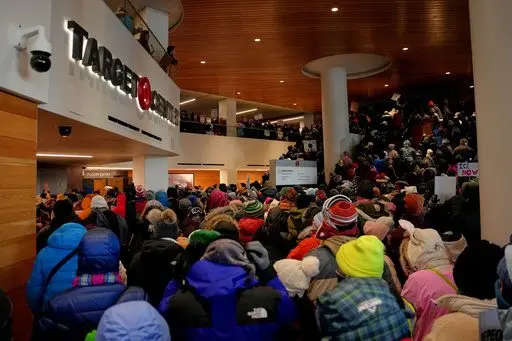
A rare postponement driven by public safety
The NBA postponed a scheduled game between the Minnesota Timberwolves and the Golden State Warriors in Minneapolis as the city grappled with unrest and heightened security concerns following the fatal shooting of Alex Pretti by a federal Border Patrol officer. League postponements are uncommon, and when they happen, they are typically tied to extreme weather, arena issues, or major security risks—making this decision a clear signal that officials considered conditions unusually volatile.
The shooting occurred on January 24, 2026, and protests intensified in the surrounding area. With fans expected to travel through downtown corridors and gather at the Target Center, the league cited community safety in choosing to reschedule rather than attempt to manage game-night logistics amid uncertainty.
How the situation affected other events
Beyond the NBA, other public events in the area were also disrupted. When tensions rise rapidly in a city center, organizers often face a difficult choice: proceed and hope conditions stabilize, or cancel to prevent overcrowding and minimize the chances of confrontation or emergency response complications.
Officials also deployed additional resources to maintain order, including the Minnesota National Guard supporting local response efforts. The presence of larger security forces can help keep crowds separated and protect critical infrastructure, but it can also heighten public anxiety—another reason sports leagues tend to err on the side of postponement when conditions are fluid.
The intersection of sports and civic crisis
Major sports games function like planned mass gatherings. They strain transit, concentrate crowds, and require predictable security and medical coverage. When a city experiences sudden unrest—especially near an arena—those planning assumptions break down. Even if the game itself remains peaceful, the arrival and departure phases can become flashpoints if protests, road closures, or tactical responses unfold at the same time.
Players and staff are also part of the calculus. Teams need secure transport routes, reliable staffing at the arena, and coordination with law enforcement. If organizers cannot guarantee those basics, postponing becomes the safest and most defensible option.
What fans should expect
The league indicated the game would be rescheduled, and ticket-holders typically retain entry for the new date or receive guidance through official ticketing channels. Fans should also anticipate traffic and access updates, especially if downtown security perimeters change. For now, the postponement highlights how quickly civic events can reshape professional sports schedules when safety risks rise.
- Check team and arena communications for the confirmed rescheduled date and ticket validity.
- Avoid unofficial resale channels while details are changing.
- Plan for altered transit routes if downtown closures or protests continue.
- Follow local public safety alerts if attending the rescheduled game.