NBA postpones Timberwolves-Warriors amid Minneapolis unrest; other games proceed as schedule shifts
The NBA postponed the Timberwolves-Warriors game in Minneapolis after a fatal shooting by a federal officer sparked large protests and security concerns. The rescheduling highlights how public safety events can disrupt major sports calendars with little warning.
A sudden pause in the schedule
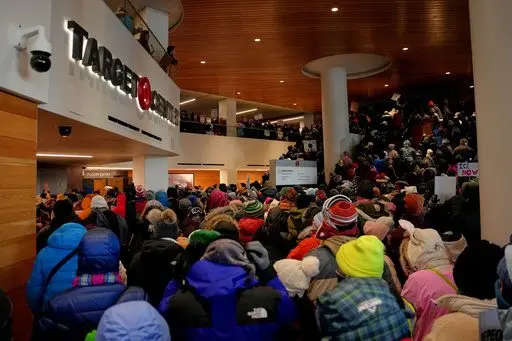
The NBA postponed the Minnesota Timberwolves–Golden State Warriors game in Minneapolis following the fatal shooting of Alex Pretti by a federal Border Patrol officer and the subsequent protests near the arena area. The league cited community safety as the reason for the move, underscoring how quickly external events can force a major professional league to adjust plans.
For teams, a postponed game is not just a date change. It affects travel logistics, practice routines, local staffing, and fan plans. It can also create ripple effects later in the season when arenas host other events and open windows for make-up games are scarce. The decision reflects a core reality of modern sports operations: venues are integrated into city life, and leagues must account for conditions beyond the court.
Community safety becomes the central factor
Minneapolis saw heightened security concerns as demonstrations expanded following the shooting. With large gatherings and elevated tension, the NBA determined the safest course was to postpone the contest rather than proceed with thousands of fans moving through the area. In addition to fan safety, leagues must consider transportation routes, emergency access, and the ability of arena staff—many of whom commute from surrounding neighborhoods—to travel safely to and from work.
The incident also drew attention because of early confusion about the agency involved; later reporting clarified the officer was from Border Patrol. In volatile moments, accurate details matter for public understanding, but the immediate operational decisions for a league tend to rest on the visible conditions on the ground: crowd size, police posture, and the risk of escalation.
What fans should expect next
In most NBA postponements, the league works with teams, arena operators, and broadcasters to identify a rescheduled date, then updates ticket policies and broadcast plans. Fans are typically advised to watch for official team and league communications about new dates and how previously purchased tickets will be honored. The broader effect is that sports can become a barometer for civic stability—when games are paused, it signals that leaders believe ordinary routines are no longer guaranteed.
Beyond basketball, the postponement highlights a recurring theme in U.S. sports: major events often become entwined with public life and politics, sometimes by choice and sometimes by circumstance. When cities experience unrest, the games do not exist in a separate bubble—they are part of the same streets, institutions, and public safety systems.