Senate Democrats threaten to block DHS funding after Minneapolis shooting, raising shutdown risk
Senate Democrats say they will not advance a major funding package if it includes Homeland Security money, escalating a standoff over immigration enforcement tactics after the fatal shooting of ICU nurse Alex Pretti in Minneapolis.
A funding fight tied to immigration enforcement
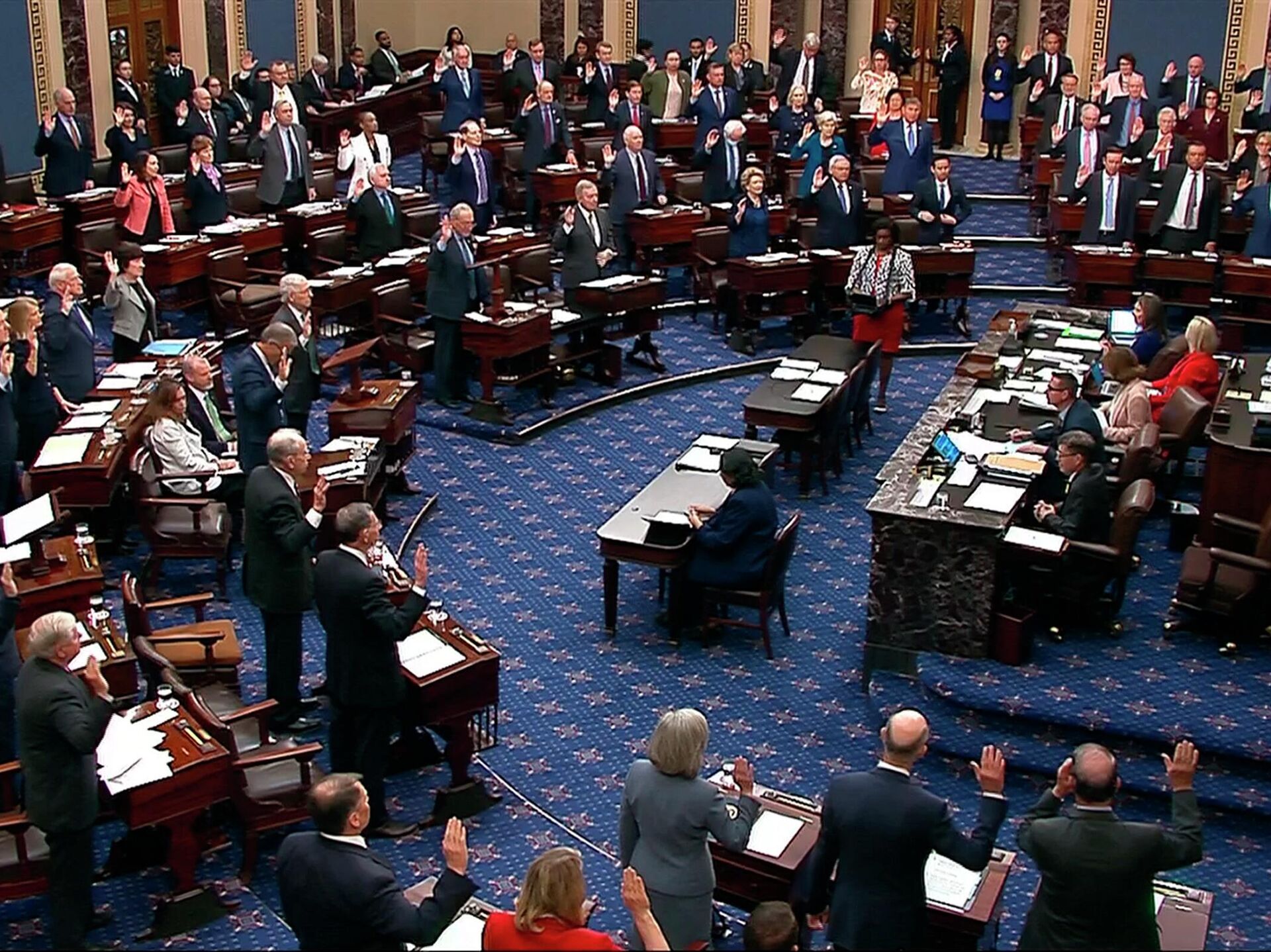
A new budget confrontation in Washington is being driven by fallout from a fatal shooting in Minneapolis. Senate Democrats, led by Minority Leader Chuck Schumer, say they will block a sweeping government funding package if it includes Department of Homeland Security (DHS) funding, arguing that current oversight and constraints are inadequate as immigration enforcement expands into U.S. cities.
The dispute raises the prospect of a partial government shutdown if lawmakers cannot agree on a path forward before funding deadlines later this month. In the Senate, 60 votes are typically required to advance major legislation, giving the minority significant leverage if it remains unified.
The Minneapolis case becomes a catalyst
The standoff intensified after Alex Pretti, a 37-year-old ICU nurse, was killed during a federal enforcement operation in Minneapolis on January 24, 2026. The incident sparked protests and renewed criticism of DHS components involved in immigration enforcement. Democratic lawmakers argue that recent events show an unacceptable risk of harm to civilians and insufficient accountability mechanisms.
Some Democrats have called for tighter restrictions on when and how federal agents operate in local communities, including changes to rules governing entries, detention practices, and use-of-force standards. They contend that annual appropriations are one of the few practical levers Congress has to impose binding limits or reporting requirements.
What’s at stake inside DHS
DHS is not only immigration enforcement. It includes agencies and functions that directly affect daily life—such as the Transportation Security Administration (TSA), the Federal Emergency Management Agency (FEMA), and the Coast Guard. That breadth complicates the political calculus: lawmakers who want to pressure ICE-related operations risk being accused of endangering other homeland security missions.
At the same time, Democrats argue that bundling DHS with other widely supported spending bills forces a choice between keeping government open and funding an enforcement posture they say has become increasingly aggressive. A key question is whether Senate leaders can split DHS out of the broader package or adopt a short-term extension while negotiations continue.
Possible paths forward
Several options are on the table, each with drawbacks. Congress could separate DHS funding to avoid dragging other departments into the dispute, but that can slow passage and create new negotiating fights. Lawmakers could also pass a temporary funding measure, though that tends to push the same confrontation down the calendar. Alternatively, negotiators could add new oversight and constraints to DHS funding, but that would require bipartisan agreement and could face White House resistance.
For now, both sides appear to be using the deadline as leverage: Democrats to demand stronger guardrails, and Republicans to frame the threat as irresponsible brinkmanship. The next week is likely to determine whether the standoff ends in a compromise, a short-term patch, or a shutdown scenario.