Schumer says Democrats will block spending package if DHS funding stays in, raising shutdown risk ahead of end-of-month deadline
Senate Democrats, led by Chuck Schumer, are threatening to block a major government funding package unless Department of Homeland Security funding is removed or changed, escalating the possibility of a partial shutdown. The move comes after public anger over a fatal Minneapolis shooting involving federal officers, intensifying scrutiny of immigration enforcement and ICE oversight.
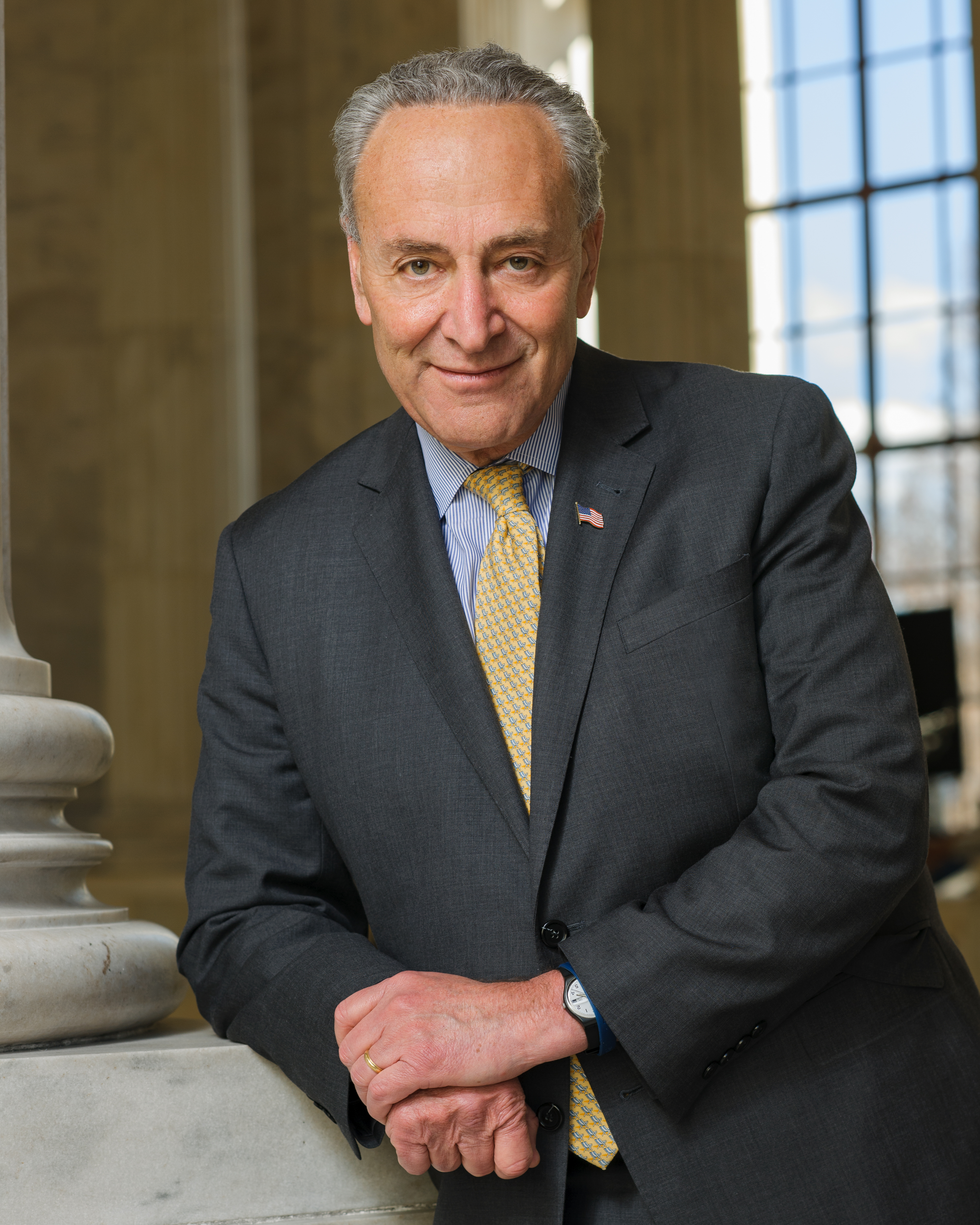
A shutdown confrontation forms around DHS and ICE
Senate Minority Leader Chuck Schumer says Democrats will not supply the votes needed to advance a major appropriations package if it includes funding for the Department of Homeland Security (DHS). The stance sets up a high-stakes fight with government funding set to lapse at the end of January 2026, increasing the chances of a partial shutdown if leaders cannot reach a compromise.
The Minneapolis shooting shifts the political calculus
The funding threat follows outrage over a fatal shooting in Minneapolis involving federal immigration enforcement personnel, which has become a rallying point for lawmakers demanding stricter guardrails and accountability. Democrats argue that DHS—and ICE in particular—needs stronger constraints, including oversight mechanisms and operational reforms, before Congress continues funding at current levels.
What Democrats want changed
Democratic lawmakers say the DHS portion of the package lacks sufficient checks to prevent abuses and to ensure transparency in enforcement actions. Discussions described in public reporting include demands for reforms such as clearer identification requirements for agents, stronger training standards, and tighter rules around enforcement operations. Some lawmakers argue that without meaningful changes, Congress risks enabling tactics they consider unacceptable.
Republican math and the procedural chokepoint
Even if House Republicans can pass funding legislation with limited Democratic support, Senate procedure typically requires a supermajority threshold to move bills forward. That gives Democrats leverage: refusing to proceed can force leadership to rewrite the package, split it into parts, or accept a stopgap measure. Meanwhile, Republicans warn that removing DHS funding could undermine agencies beyond ICE, including disaster response and border security operations.
What happens if there is a partial shutdown
If lawmakers miss the deadline, many federal functions could be disrupted and employees in affected agencies could face furloughs or delayed pay, depending on which parts of government remain funded. Some DHS-related operations might continue under different legal authorities, but the broader uncertainty could still ripple through services, contracting and local partnerships.
The next week in Washington
Negotiators must decide whether to keep DHS inside a single large package, rewrite the DHS bill to add stricter conditions, or separate it and try to pass the remainder first. Either path carries risk: breaking the package apart can slow passage, while leaving it intact may ensure Senate gridlock. The outcome will signal how far Congress is willing to go in tying agency funding to enforcement accountability after the Minneapolis incident.