Outrage grows after fatal shooting by federal immigration agents sparks protests and funding threats
Demonstrations intensified after a U.S. nurse was killed during an encounter involving federal immigration enforcement, with calls for accountability and new political pressure tied to DHS funding.
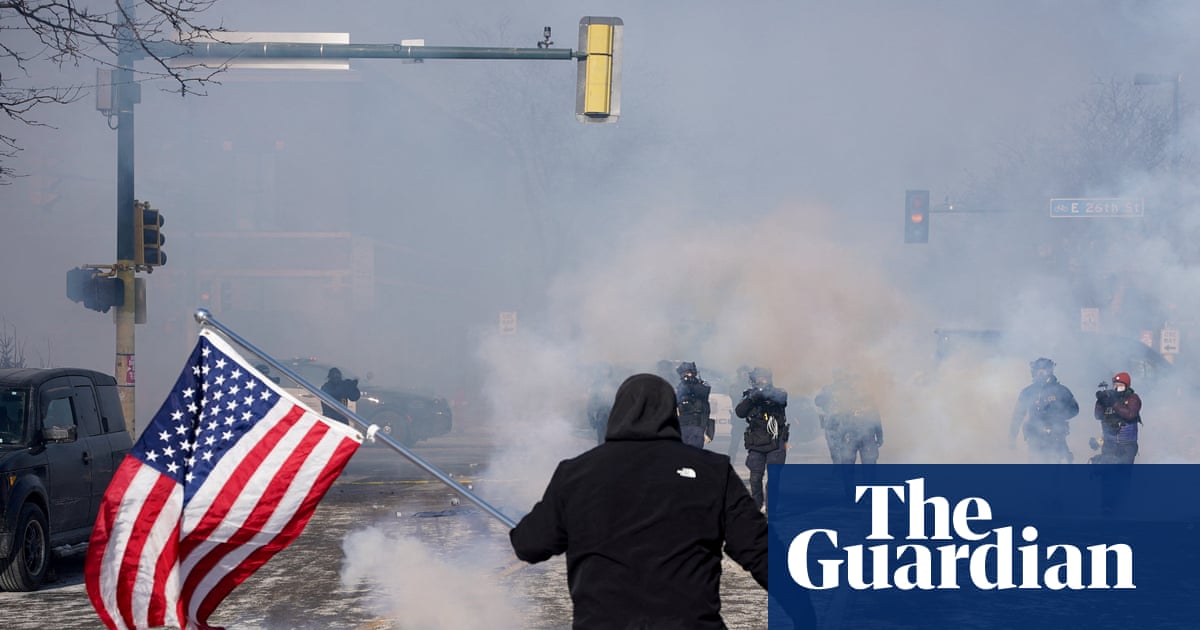
A shooting becomes a national flashpoint
A fatal shooting in Minneapolis involving federal immigration enforcement agents has ignited protests and sharpened political conflict over federal tactics. The incident, which drew immediate public attention through video and eyewitness accounts, prompted renewed scrutiny of how federal officers conduct operations in crowded public settings and how quickly official claims are verified.
The killing triggered rapid mobilization in multiple cities, with demonstrators demanding transparency, disciplinary action where warranted, and broader reforms to enforcement policy. Community leaders, advocacy groups and local officials argued that the episode reflects a wider pattern of escalation and insufficient accountability in federal immigration operations.
Demands, demonstrations, and political leverage
Protests have combined street marches, vigils and rallies with pointed demands aimed at Washington. Some lawmakers have discussed using the federal budget process to force changes, including threats to block or condition Department of Homeland Security funding unless stronger oversight measures are adopted. That strategy, supporters say, is designed to create tangible consequences and compel updated rules of engagement, clearer reporting requirements, and independent review of high-profile incidents.
Critics of the demonstrations argue that officers face volatile circumstances and that enforcement agencies must retain operational latitude, particularly when agents believe threats are present. Protest organizers counter that the public should not have to rely on incomplete initial statements and that body-camera footage, dispatch logs, and independent investigations should be released quickly when lethal force is used.
What happens next
The immediate next steps are likely to include parallel inquiries: internal federal reviews, potential state or local involvement where jurisdiction applies, and increased congressional attention. Beyond the legal and administrative processes, the politics are poised to intensify as both sides frame the incident as emblematic—either of dangerous overreach or of the risks faced by officers.
Whether the episode yields policy change may depend on the pace of evidence release, the findings of investigators, and the durability of public pressure. For now, it has become a defining political story of late January 2026, widening a national argument over enforcement, civil liberties and federal power.