Minneapolis shooting by federal agents sparks protests and intensifies fight over DHS funding
A fatal shooting involving federal agents in Minneapolis ignited protests and sharpened a political battle in Washington over accountability, evidence access, and whether Congress should restrict or block funding tied to homeland security operations.
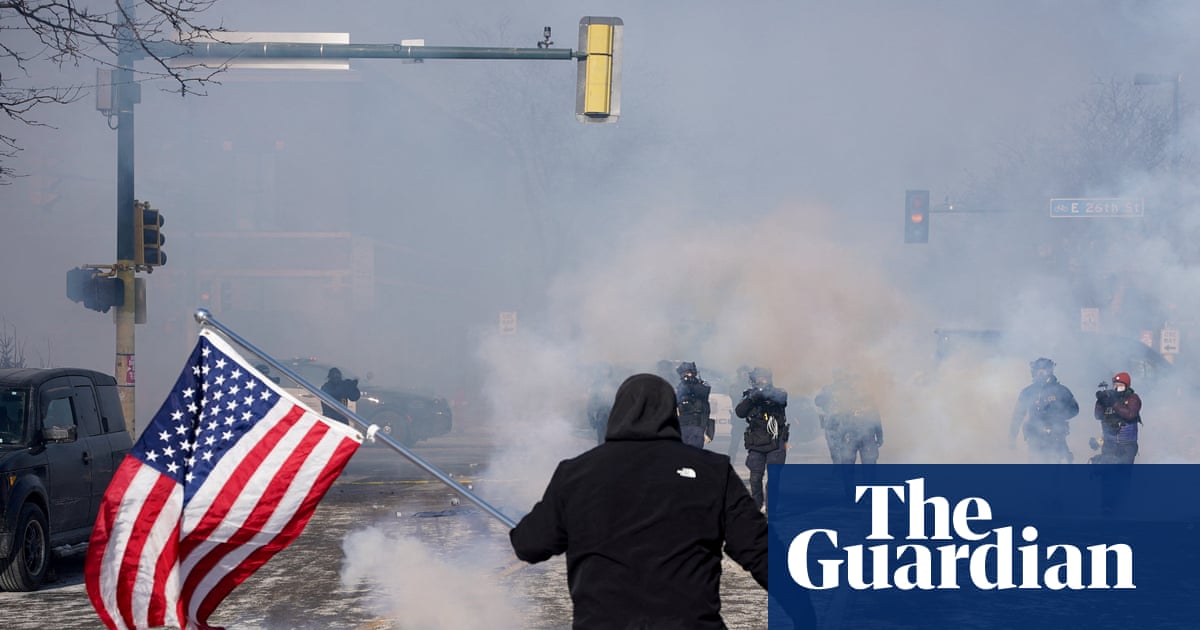
A killing, conflicting accounts, and a national backlash
A fatal shooting in Minneapolis involving federal agents has quickly become a flashpoint in U.S. politics. The death of Alex Pretti, a 37-year-old nurse, prompted protests and renewed scrutiny of federal immigration enforcement tactics, as witnesses and video evidence were reported to challenge official claims about what happened in the moments before the shooting.
The dispute centers on competing narratives: federal officials portrayed the incident as self-defense during a volatile confrontation, while witnesses described Pretti as attempting to help someone during the encounter and not presenting the threat officials initially suggested. The gap between official statements and accounts from bystanders fueled rapid outrage, turning a local incident into a national political storm.
Protests spread as lawmakers demand answers
The killing drew immediate condemnation from local and state political figures, and protests surged in Minneapolis and beyond. Demonstrators demanded transparency, accountability, and changes to federal enforcement practices. The incident also became part of a wider debate about the role of immigration enforcement agencies and the boundaries of federal power during domestic operations.
In Washington, the controversy sharpened into a funding fight. Senate Democrats signaled that they were prepared to use appropriations leverage, warning that they could block a funding package if it included homeland security money without reforms or conditions. The message was aimed at forcing concessions, including stronger oversight mechanisms and clearer limits on how operations are conducted.
Evidence access becomes a legal and political battleground
As the case accelerated into national headlines, disputes over evidence preservation and access moved to center stage. Reports described pressure from local officials and legal actors to ensure that records, video, and other material connected to the shooting are retained and made available for investigation. When federal and state authorities clash over jurisdiction and disclosure, public trust often becomes collateral damage—especially in high-profile, emotionally charged incidents.
The political consequences of the evidence fight could be lasting. If investigations confirm a mismatch between public statements and the underlying facts, the credibility cost to federal agencies could deepen. If officials can substantiate the threat claims, critics may still argue that tactics and rules of engagement need revision. Either way, the event is now a national test of transparency under pressure.
A broader debate about enforcement, civil liberties, and oversight
Beyond the immediate facts of the shooting, the fallout highlights a larger U.S. debate: how aggressive enforcement should be, what safeguards are necessary to protect civilians, and how Congress should supervise agencies that operate across jurisdictions. The demand for reform is not limited to one incident; it reflects a rising national tension over civil liberties, public safety, and government accountability.
For now, Minneapolis remains the focal point, but the policy fight is moving quickly in Washington. With funding deadlines approaching and public anger rising, lawmakers face a familiar choice: treat the controversy as a one-off crisis or convert it into structural oversight changes with real teeth.