Funding pressure mounts after Minneapolis shooting as Democrats warn over DHS money, report says
After the killing of Alex Pretti, political tensions rose as Democrats signaled they could block funding tied to Homeland Security, seeking changes and accountability for federal enforcement actions.
A local death becomes a national political fight
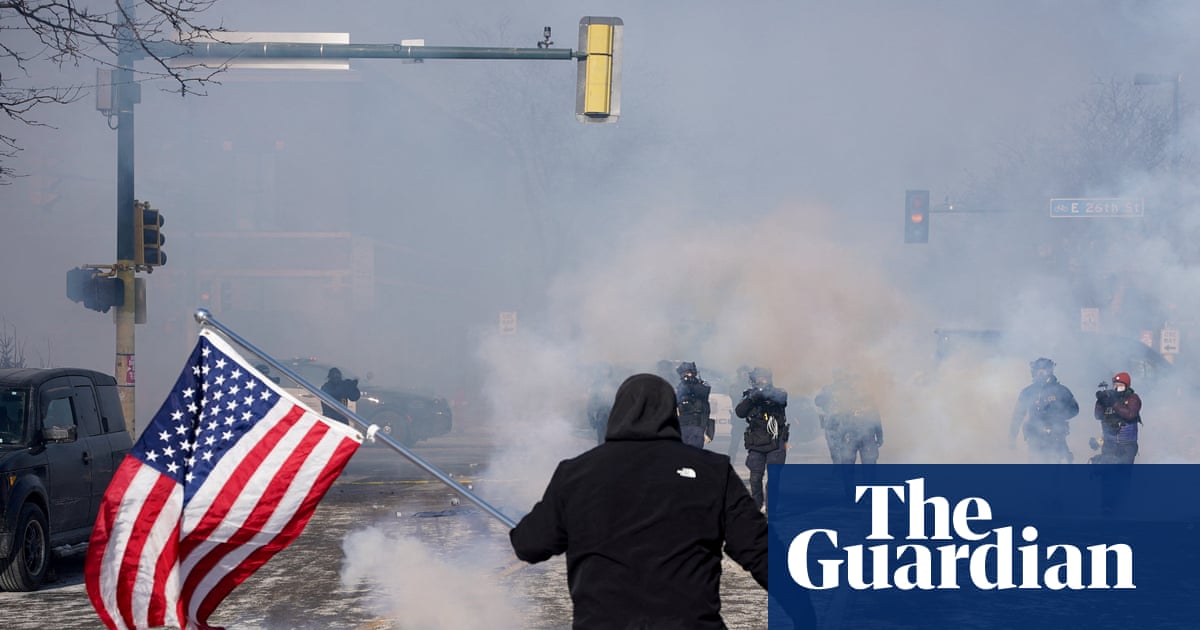
The fatal shooting of Minneapolis nurse Alex Pretti by federal agents has quickly spilled into national politics, with lawmakers and city leaders demanding explanations and warning that federal agencies may face consequences in Congress. The reporting frames the episode as a catalyst for broader challenges to immigration enforcement tactics and the federal government’s use of force during operations.
In the wake of the incident, outrage accelerated because it occurred within weeks of another deadly case involving federal agents. Activists and elected officials argued that the pattern signals deeper problems that cannot be addressed by internal reviews alone.
Democrats talk about leverage through appropriations
One of the clearest political consequences described is the threat by Senate Democrats to block a funding package if it includes money for the Department of Homeland Security, which oversees Immigration and Customs Enforcement. The warning is intended to force reforms and tighten oversight of enforcement actions connected to ICE.
Linking policy changes to appropriations is a familiar Washington tactic, but the report suggests the current moment is unusually volatile because it is being driven by a high-profile death and rapidly growing street protests, not just internal partisan negotiation.
Public narrative clashes with video evidence
The political pressure intensified because video evidence cited in the coverage appears to contradict official claims that Pretti posed a deadly threat. The report says footage shows him holding a phone rather than a gun when he was tackled and shot, creating an immediate credibility crisis for senior officials who described the incident differently.
That disconnect matters politically because it influences whether the public sees the case as a tragic but justified use of force or as an avoidable death driven by overly aggressive enforcement and misinformation from officials.
What to watch next
- Whether Congress formally ties DHS funding to enforcement restrictions or new oversight mechanisms.
- What federal and local investigations conclude about the timeline, commands, and weapons involved.
- How sustained protests affect state and city cooperation with federal immigration enforcement.