Anger grows after fatal federal-agent shooting in Minneapolis, fueling fresh protests
A second deadly shooting by federal immigration-related agents in weeks has intensified protests and political pressure over enforcement tactics and accountability.
A killing that escalated an already tense national debate
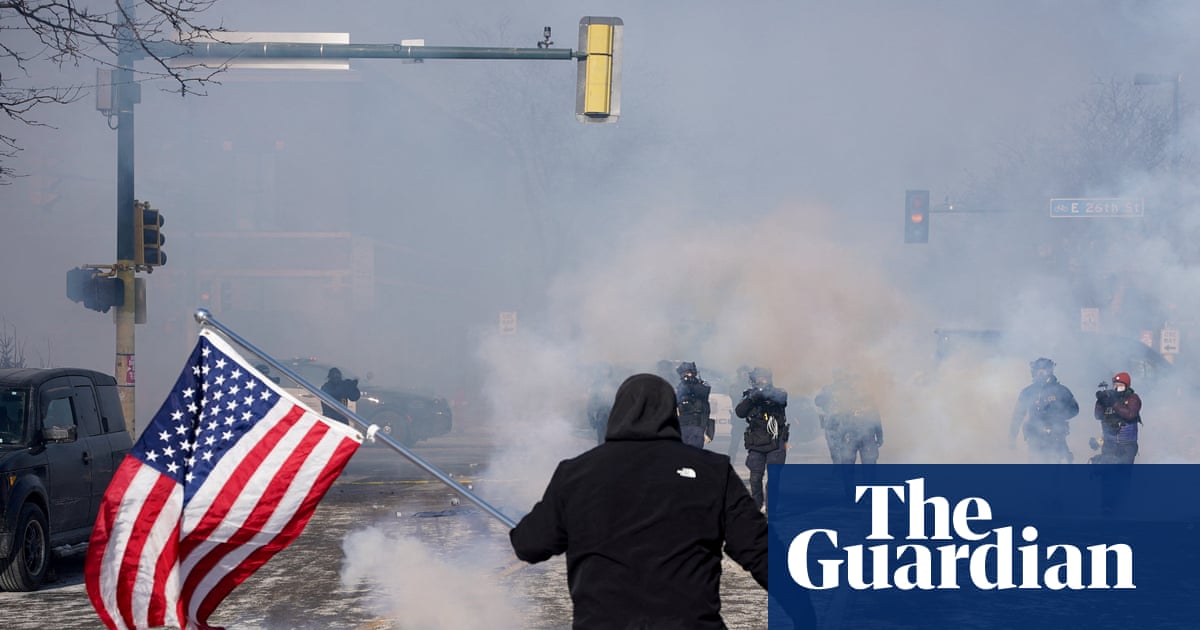
Political pressure mounted over the weekend of January 25, 2026 after a fatal shooting in Minneapolis involving federal agents, an incident that sparked protests and renewed scrutiny of immigration enforcement tactics. The death of Alex Pretti, described as a 37-year-old nurse, was cited as a flashpoint for demonstrations in multiple cities and for sharper rhetoric from local and national officials.
The Minneapolis shooting arrived amid heightened controversy about how federal immigration enforcement operations are conducted and supervised. Critics argued that the use of force is escalating and that accountability mechanisms are inadequate. Supporters of robust enforcement counter that agents face volatile situations and require latitude to protect themselves and carry out missions.
According to reporting, outrage intensified because video evidence and on-the-ground accounts quickly became central to competing narratives about what happened in the moments before shots were fired. In such incidents, trust can erode rapidly when official descriptions conflict with footage circulating online, pushing lawmakers and city leaders to demand independent review.
In Washington, the incident added fuel to a broader partisan confrontation over immigration policy, with lawmakers debating not only border and interior enforcement priorities but also whether agencies are operating with sufficient oversight. Some elected officials called for investigations, while others framed protests as political theater designed to weaken enforcement.
For many demonstrators, the Minneapolis shooting symbolized a larger fear that enforcement operations are expanding in ways that heighten the risk of tragic mistakes. Community leaders warned that aggressive tactics can discourage immigrants from reporting crimes or cooperating with local public-safety efforts, a concern long raised by some city governments and civil-rights advocates.
As the political fallout continues, the key questions include what agency rules of engagement were in effect, whether de-escalation steps were taken, what body-camera or surveillance footage exists, and who will oversee the investigation. The answers will likely shape both public trust and the trajectory of federal-local conflict over immigration enforcement in the months ahead.