GM boosts dividend, launches $6 billion buyback, and forecasts higher profit despite EV reset
General Motors lifted shareholder returns with a dividend increase and a new $6 billion buyback, projecting stronger adjusted profit in 2026 even as the company absorbs EV-related charges and navigates tariff and demand uncertainty.
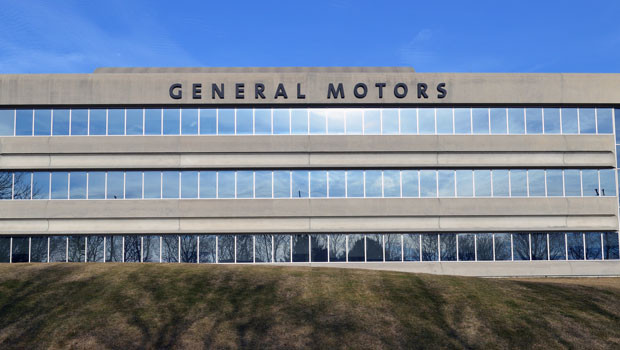
General Motors said Tuesday it will raise its dividend and authorize a new $6 billion share repurchase program, signaling confidence in its cash generation even as it reshapes its electric-vehicle strategy. The automaker also forecast higher adjusted profit for 2026, helping lift its stock to a new record high in early trading, according to market coverage.
GM’s outlook calls for adjusted 2026 profits of roughly $13 billion to $15 billion, up from about $12.7 billion in 2025 on the same measure. That guidance landed alongside mixed results for the latest quarter: the company reported a large headline loss—attributed to charges tied to EV realignment and policy-related factors—while still beating expectations on an adjusted basis.
The quarter illustrated the push and pull inside GM’s strategy. On one hand, the company is trying to preserve margins and protect cash as EV adoption proves bumpier than earlier forecasts, a dynamic affecting demand, pricing and inventory decisions across the industry. On the other hand, GM wants to keep investing in future platforms while convincing investors that near-term profitability will not be sacrificed to fund a transition that may take longer than hoped.
GM also described a revenue dip tied to lower North American vehicle sales, but pointed to the resilience of its pickup and SUV business as a cushion. Those higher-margin vehicles remain central to GM’s financial engine and are frequently the lever the company uses to offset volatility elsewhere, including the costs of retooling factories and adjusting product roadmaps.
The shareholder-return package matters because buybacks and dividends are increasingly treated as a referendum on management’s confidence in future cash flow. By pairing capital returns with a profit target above the prior year, GM is effectively telling the market that it believes it can manage both the old world (gas and hybrid profitability) and the new one (EV investment) without undermining the balance sheet.
At the same time, the company’s guidance arrives in a policy-sensitive environment. Automakers face ongoing uncertainty around tariffs, incentives and regulatory timelines that can swing costs and consumer economics. GM has already acknowledged that shifting trade rules and changing EV subsidy conditions can alter demand curves and force revisions to production plans.
For investors, the key questions now are whether GM can hit its 2026 earnings range while maintaining pricing discipline, and whether the company’s EV-related spending can be paced to match real adoption rather than aspirational targets. The dividend hike and buyback may buy goodwill in the short run, but the longer-run verdict will be delivered by demand, margins and execution across both combustion and electric lineups.