Minnesota CEOs call for ‘immediate de-escalation’ after unrest tied to immigration enforcement shootings
More than 60 executives from Minnesota-based firms urged officials to calm tensions and collaborate, as companies face pressure from activists, customers, and a polarized political climate.
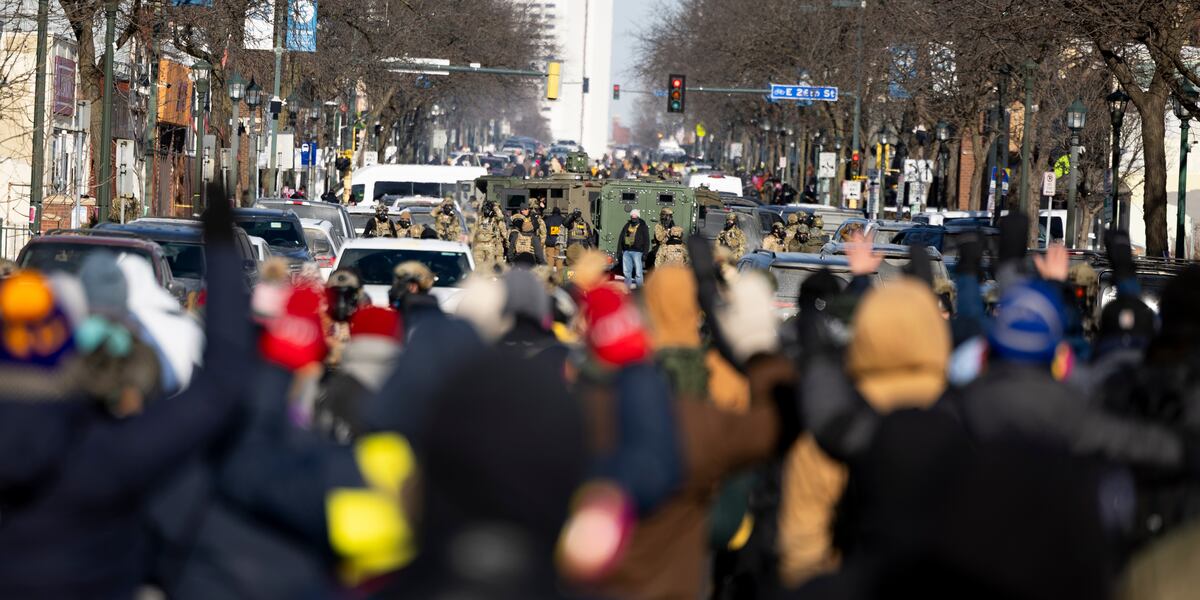
More than 60 CEOs of Minnesota-based companies signed an open letter urging an “immediate de-escalation” of tensions after unrest intensified following two fatal shootings by federal agents amid a sweeping immigration enforcement operation. The letter, posted by the Minnesota Chamber of Commerce, called on state, local, and federal leaders to work together, as businesses weigh how to respond to a rapidly escalating civic crisis.
Executives tied to major brands and employers—spanning retail, manufacturing, healthcare, and consumer goods—joined the statement at a moment when many companies were being pulled in competing directions. Activists have urged corporate leaders to take a stronger stance against enforcement operations, while others warn companies that overt political alignment could trigger boycotts, regulatory attention, or backlash from customers and employees.
The letter’s tone was deliberately broad: it emphasized public safety and stability, but avoided directly assigning blame. That approach reflects a familiar corporate dilemma in polarized moments—how to acknowledge community trauma without turning a business statement into a partisan signal. Yet even neutrality is being read as a choice, particularly for household-name firms with large Minnesota workforces and national consumer footprints.
The signatories stressed practical needs as well as values: keeping workplaces open and employees safe, sustaining supply chains and local commerce, and restoring confidence in downtown corridors disrupted by protests and security measures. Some companies have also faced operational complications as demonstrations affected store access, staffing, and transportation routes.
The business community’s intervention adds another powerful voice to a broader push for calm, accountability, and clearer communication between governments. While the letter does not propose specific policy changes, it signals that major employers see the unrest as a direct threat to the state’s social cohesion and economic stability—and that corporate leaders expect coordinated action, not further escalation.