U.S. job growth slows sharply in December, with unemployment edging down
The U.S. added a modest number of jobs in December, capping a weak year of hiring that highlights ongoing affordability pressures and uncertainty for households and employers heading into 2026.
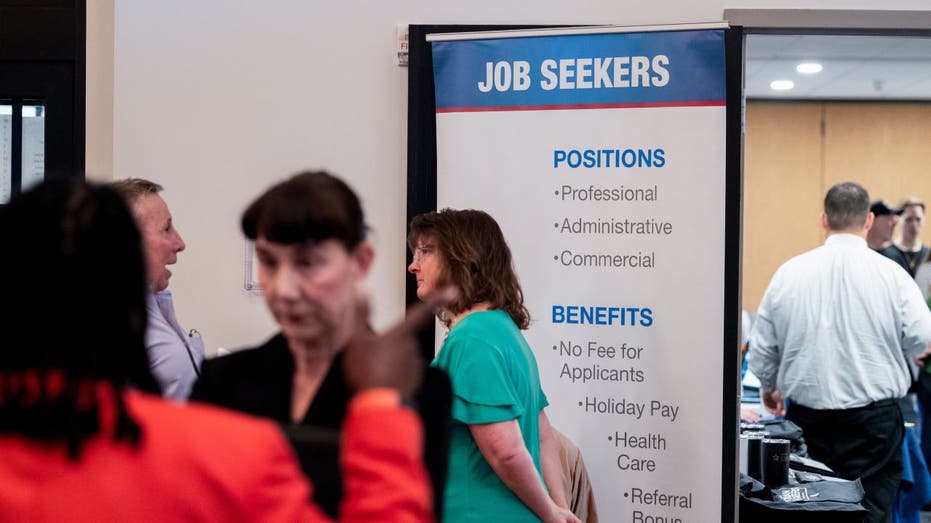
December hiring comes in soft
New federal labor data show the U.S. economy added about 50,000 jobs in December, finishing the year with one of the weakest job-gain totals in decades. Hiring cooled from already modest prior-month gains, underscoring a labor market that is no longer running hot after earlier post-pandemic years of rapid expansion.
The unemployment rate ticked down slightly to 4.4%. A lower unemployment rate can look reassuring, but the combination of slow job creation and elevated cost-of-living pressures is a warning sign for families who depend on steady wage growth, consistent hours, and a robust market for switching jobs.
What weak job gains can signal
A major slowdown in job creation often reflects multiple forces at once: employers becoming cautious about demand, businesses trimming expansion plans, and the effects of higher financing costs filtering into hiring decisions. In many industries, leaders may choose to freeze hiring rather than conduct large-scale layoffs, which can keep unemployment from surging but still reduces opportunities for workers.
For workers, the lived experience of a slower labor market can include fewer openings, longer job searches, and less bargaining power. For small businesses, the picture can be mixed: some may find it easier to recruit, while others face continued pressure from weak consumer spending and tight cash flow.
Why affordability remains central
Even when inflation is not accelerating, families can feel squeezed if housing, food, insurance, and childcare remain expensive relative to incomes. Slower job growth can intensify that strain by making it harder to climb to higher wages through job changes or overtime. This dynamic matters for 2026 because consumer spending still drives a large share of U.S. economic activity.
Markets and policymakers tend to watch labor data closely because it influences interest-rate expectations and public confidence. A soft report can shift debate toward whether the economy is cooling in an orderly way or moving toward a sharper downturn.
What to watch next
The next signals will come from a few places: revisions to earlier months, trends in labor force participation, wage growth, and whether job weakness spreads from interest-rate-sensitive sectors into the broader service economy. For households, the practical question is whether job availability improves in early 2026 or remains constrained as employers wait for clearer demand.
- Upcoming monthly payroll revisions that may change the size of recent job gains.
- Wage growth trends, especially for lower- and middle-income workers.
- Layoff announcements versus hiring freezes across major sectors.
- Consumer confidence and spending data as a proxy for demand.