Trump housing order targets big home investors, potentially boosting build-to-rent developers
A new executive order aimed at limiting institutional purchases of existing single-family homes could ease competition for buyers, while exempting build-to-rent projects—an opening that developers and investors may seek to exploit.
A new executive order from President Donald Trump is reshaping the housing debate by taking aim at large institutional investors that buy existing single-family homes—an approach the administration argues could help with affordability by reducing competition for traditional buyers.
The policy focuses on curbing investor activity in the resale market, where critics say bulk purchases have pushed prices higher in some metros and reduced available inventory for families trying to buy. The order’s details, including how “large” investors are defined and what enforcement looks like in practice, are expected to determine how powerful the impact will be.
But the order includes a notable carve-out: build-to-rent development. That exemption could shift capital rather than shrink it, steering investor demand away from buying existing homes and toward funding newly built suburban rental communities.
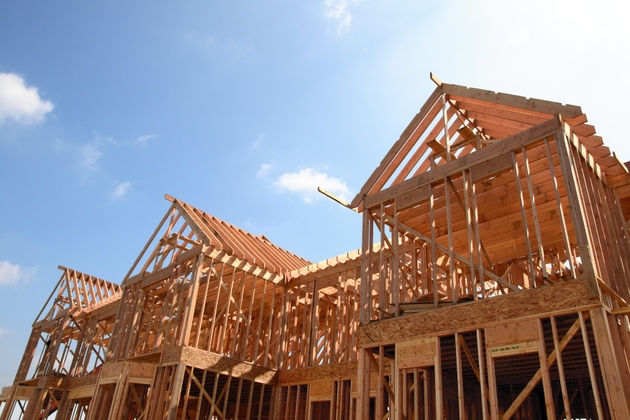
Build-to-rent developers construct neighborhoods specifically designed for long-term renting—often with uniform home types, centralized property management, and amenities engineered for operational efficiency. Because these homes are newly built, the sector generally avoids directly bidding against homebuyers for existing houses.
Industry figures cited in the report indicate the build-to-rent pipeline has expanded rapidly in recent years, and the exemption could accelerate that trend. Investors that once emphasized buying scattered-site homes may increasingly partner with builders or fund projects that deliver entire communities at once.
The policy also lands in a market still constrained by high borrowing costs and low inventory. Even modest shifts in who is buying which type of housing can ripple through local pricing, rental availability and construction decisions.
Supporters of the crackdown argue that reducing institutional bidding pressure on starter homes could help stabilize prices and open pathways to ownership. Skeptics counter that institutional buyers are only one factor in affordability and that restricting them may have limited effect without a larger increase in supply.
If build-to-rent expands as a result of the exemption, the longer-term question becomes whether the added rental supply will reduce rents—or whether it will mainly consolidate a larger share of suburban housing into professionally managed portfolios.