Market jitters intensify after tariff threats, highlighting renewed uncertainty for investors and corporate planners
U.S. markets are grappling with heightened volatility following renewed tariff threats tied to U.S. foreign-policy disputes, underscoring how trade policy shocks can quickly spill into equities, commodities and planning assumptions for companies. Investors are watching for clearer policy signals as businesses weigh costs, supply chains and pricing power.
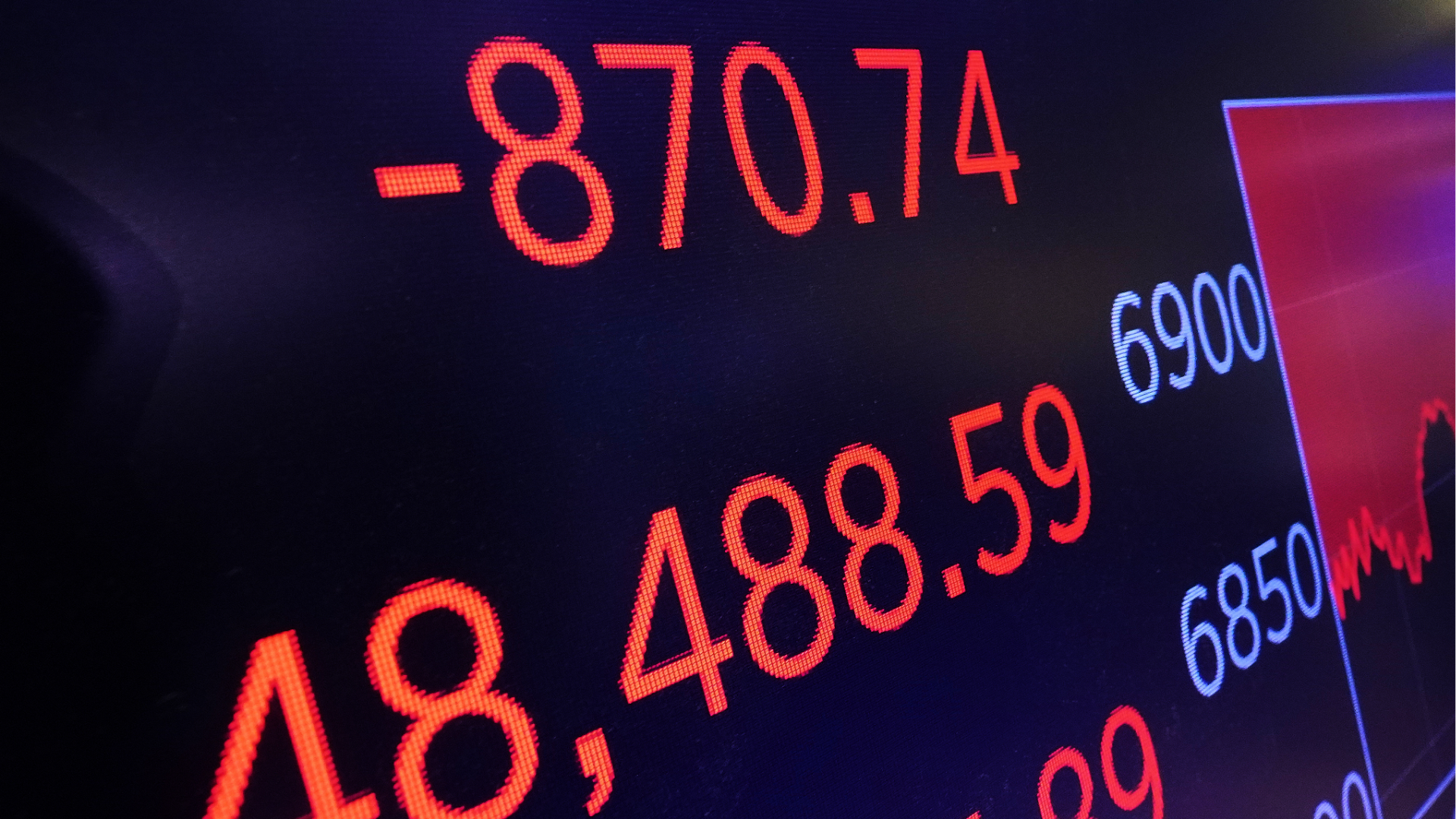
A sharp drop underscores tariff sensitivity
U.S. stocks saw a sudden bout of turbulence after new tariff threats emerged, illustrating how quickly trade policy headlines can translate into risk-off trading. The episode produced a broad selloff that hit major indexes in a single session, while investors reassessed the possibility of a more aggressive trade posture and its effects on global growth expectations.
Why tariffs matter to markets beyond trade
Tariffs can function like an uncertainty tax. Even before any duties are formally imposed, the threat of rapid policy changes can make it harder for companies to forecast demand, plan inventory and commit to capital spending. For multinational firms, the risks include shifting input costs, altered sourcing strategies, and potential retaliation that can narrow market access.
Megacap tech and the volatility channel
Large, globally exposed technology companies often act as a volatility channel because they sit at the intersection of consumer demand, advertising, cloud spending, and complex supply chains. When tariff rhetoric escalates, investors may reduce exposure to risk-sensitive sectors, particularly those with high valuations and strong dependence on international flows of components and sales.
Corporate planning: hedging, pricing, and supply chains
Companies facing policy uncertainty typically respond in three ways: they hedge currency and commodity exposures more aggressively, adjust pricing to protect margins, and diversify suppliers to reduce concentration risk. Each step has costs—hedging can be expensive, price increases can reduce demand, and supply-chain reshoring or diversification takes time. The net effect is often a drag on near-term efficiency even if it reduces long-term vulnerability.
What investors are watching next
Traders are now focusing on whether tariff threats become concrete policy, how allies and trade partners respond, and whether future guidance from major companies reflects higher costs or softer demand. Another critical factor is the path of inflation: if tariff-driven costs flow into consumer prices, markets may also reprice expectations for interest rates and corporate earnings simultaneously.